Hygienic Air Systems: Cleaner Air for Safer, More Reliable Processing Environments
In food processing, pharmaceutical manufacturing, and other sanitation-sensitive facilities, air quality plays a direct role in product safety, regulatory compliance, and operational reliability. Temperature, humidity, filtration, room pressure, and air movement all affect how well a space can stay clean during production and sanitation.
A Hygienic Air System is designed to manage all of those conditions together.
Unlike a standard rooftop air system, a Hygienic Air System does more than heat and cool a space. It helps control humidity, filter airborne particles, maintain positive room pressure, introduce fresh outdoor air, and support sanitation cycles after production. For facility owners and operators, that means a cleaner processing environment, better protection against airborne contaminants, improved moisture control, and a system designed around the realities of demanding hygienic operations.

What Is a Hygienic Air System?
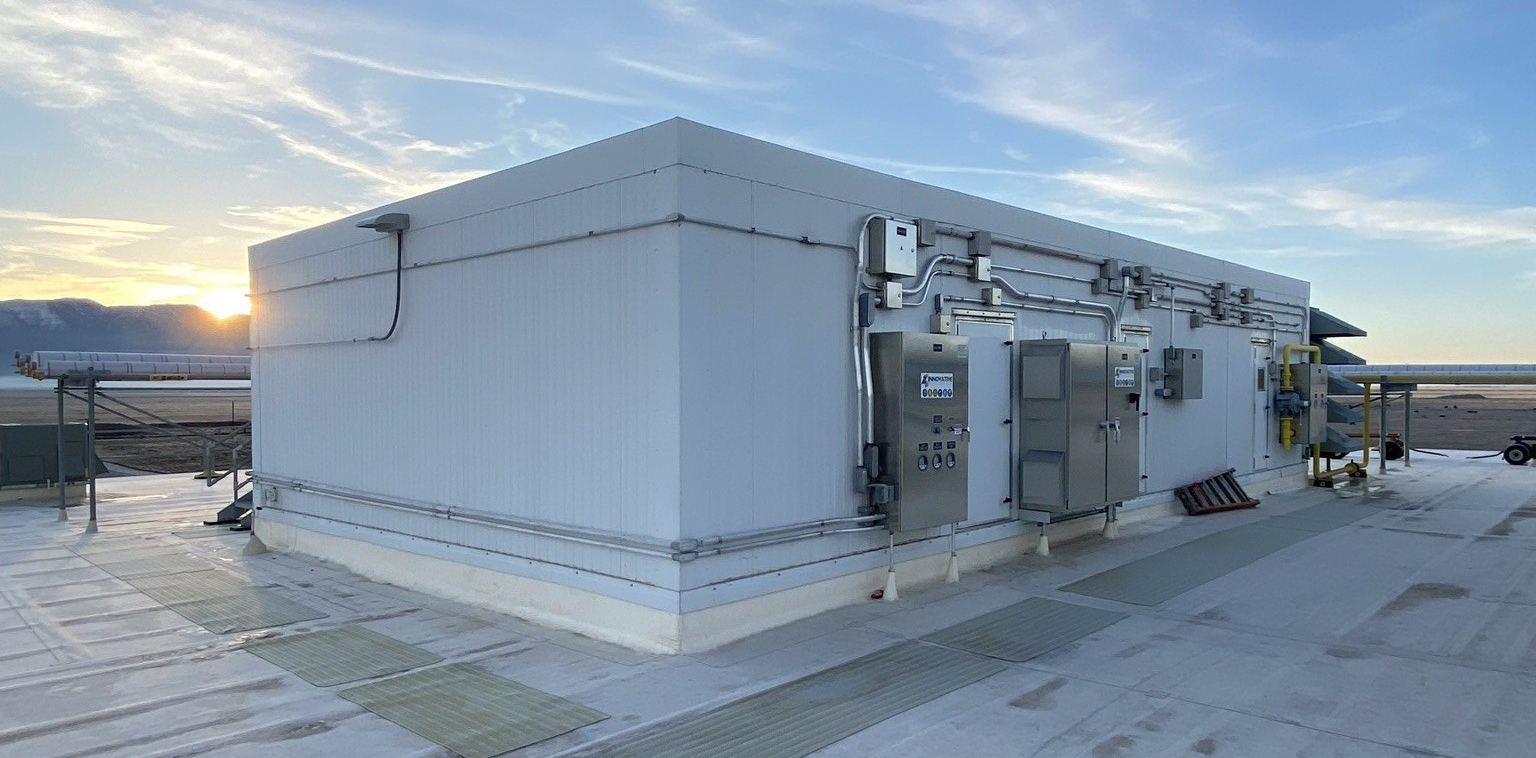
A Hygienic Air System is a specialized air handling solution for facilities where cleanliness, temperature control, and moisture management are critical. These systems are commonly used in food manufacturing plants, clean rooms, pharmaceutical facilities, and other environments where contamination control is a priority.
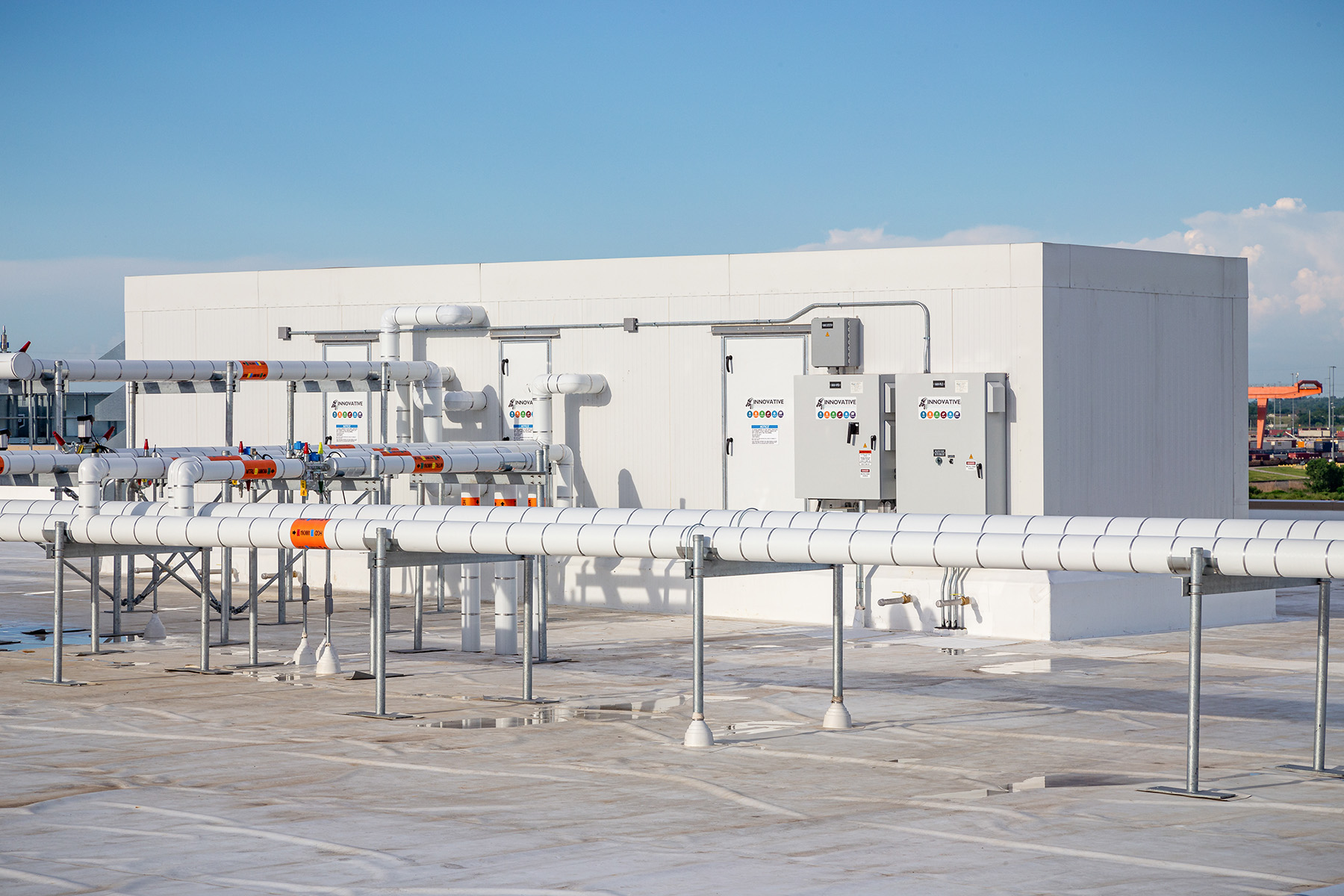
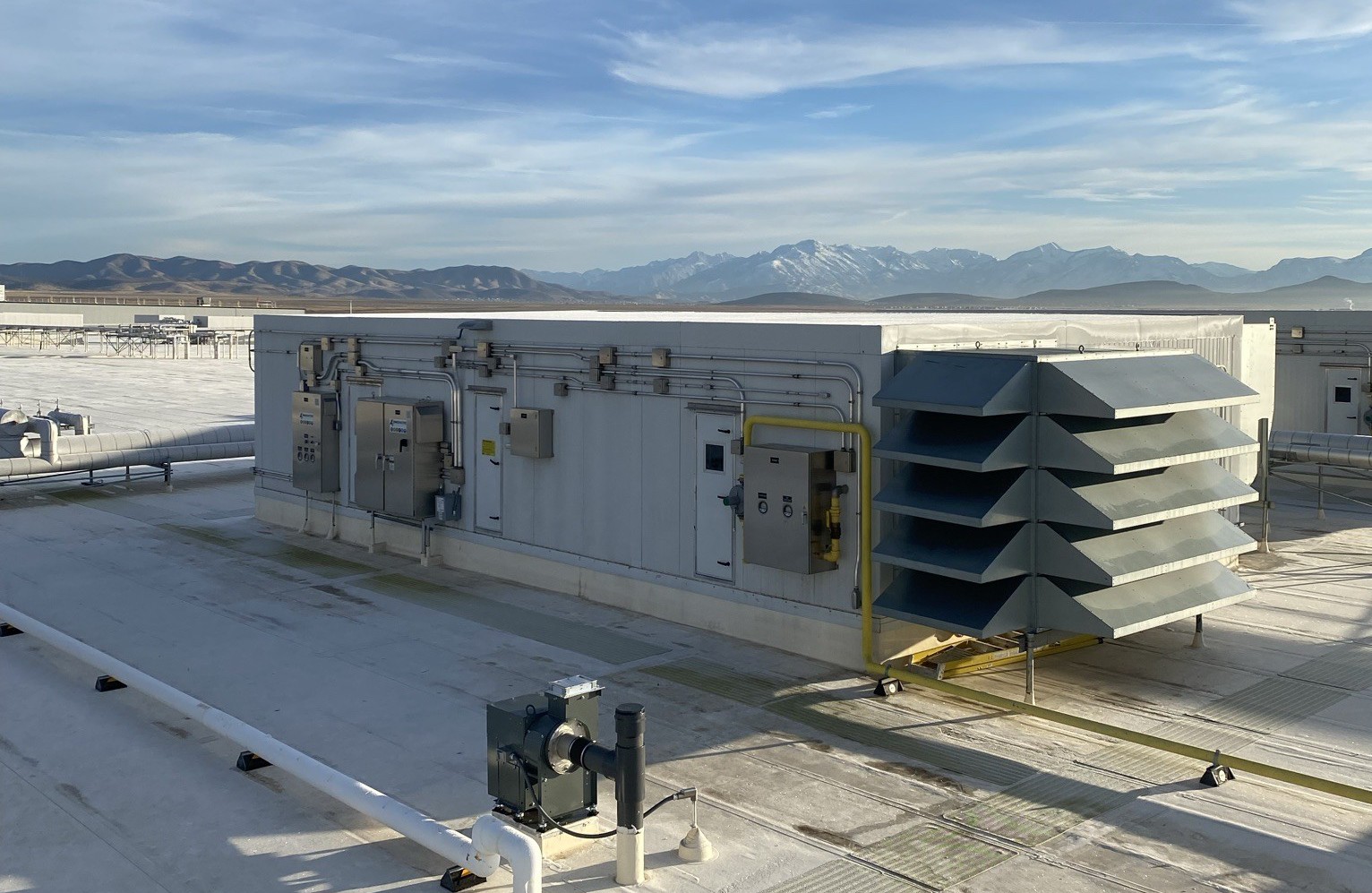
Typically installed on the roof, the system draws in outdoor air, conditions it, filters it, and delivers it into the processing space. At the same time, it manages return air from the room, controls humidity, and helps maintain positive pressure.
Positive pressure means the room is supplied with slightly more clean air than it exhausts or loses. This helps air move outward from the controlled space rather than allowing unfiltered air to be pulled in from surrounding areas. For hygienic facilities, this is an important part of reducing contamination risk.
Why These Systems Matter
In a sanitation-sensitive facility, air can carry moisture, dust, particles, and microorganisms that may affect product quality or create conditions for mold and bacterial growth. Humidity that is too high can also create condensation on surfaces, ceilings, equipment, and product zones.
A properly designed Hygienic Air System helps address these risks by:
- Maintaining controlled temperature and humidity
- Filtering incoming and recirculated air
- Supporting positive pressure in critical rooms
- Reducing excess moisture in the space
- Helping limit airborne contamination
- Supporting sanitation and clean-up procedures
- Monitoring system performance through integrated controls
For facility owners, this makes the system more than an HVAC component. It becomes part of the facility’s food safety, quality, compliance, and reliability strategy.
Two Main Operating Modes: Process Mode vs Clean-Up Mode
Hygienic Air Systems are designed to support two different operating conditions: active production and post-production sanitation. These are commonly referred to as process mode and clean-up mode.
Process Mode: Supporting Production Conditions
Process mode is used while food processing or manufacturing is underway. During this mode, the system is focused on maintaining stable room conditions while operating efficiently.
Instead of using only outdoor air, the system recirculates a portion of the room air to reduce energy use. At the same time, it introduces a controlled amount of fresh outdoor air to help maintain positive room pressure. The system automatically adjusts dampers, fans, heating, cooling, filtration, and reheat components to deliver air at the required temperature and humidity level. In simple terms, process mode allows the facility to keep production areas clean, pressurized, temperature-controlled, and dry enough to reduce moisture-related risks.
Here is how the air typically moves through the system:
- The supply fan pulls air through the unit. A modulating outdoor air damper opens as needed to bring in fresh air, while return air dampers adjust to balance the airflow from the room. If the incoming air is too cold, it can be heated before moving through the rest of the system.
- The air then passes through filters that remove larger particles and debris. From there, it moves across cooling coils, where it is cooled below the room temperature setpoint. This overcooling process removes moisture from the air, which is critical for humidity control.
- After moisture is removed, the air passes through a reheat section. Reheat brings the air back up to the proper supply temperature while keeping the humidity at the desired level. Finally, the conditioned air passes through final filters that remove finer particles before it is delivered through ductwork into the processing area.
This sequence allows the system to control both temperature and humidity, rather than simply cooling the room.
Clean-Up Mode: Flushing the Space After Production
After production, many hygienic environments go through a washdown or sanitation cycle. During clean-up, the system shifts from maintaining production conditions to removing used air and replacing it with fresh, filtered air. The goal is no longer to recirculate air efficiently during production. Instead, the goal is to help remove humid, contaminated, or washdown-related air from the room and replace it with fresh, filtered, conditioned air.
In clean-up mode, the return dampers close to stop air from recirculating back into the system. Exhaust fans activate to remove air from the space. At the same time, the Hygienic Air System introduces 100% fresh outdoor air that has been conditioned and filtered before entering the room.
This creates a flushing effect. Air is supplied into the room, pulled through the space, collected through return or exhaust paths, and discharged outdoors. Once the clean-up cycle is complete, the system transitions back to process mode by reopening the return dampers and closing the exhaust dampers.
For facility teams, this mode helps support sanitation by exchanging room air after production and helping restore the space to proper operating conditions.

Controls and Safety Monitoring
Hygienic Air Systems are technically advanced and designed to operate through automated controls that help simplify day-to-day performance and troubleshooting.
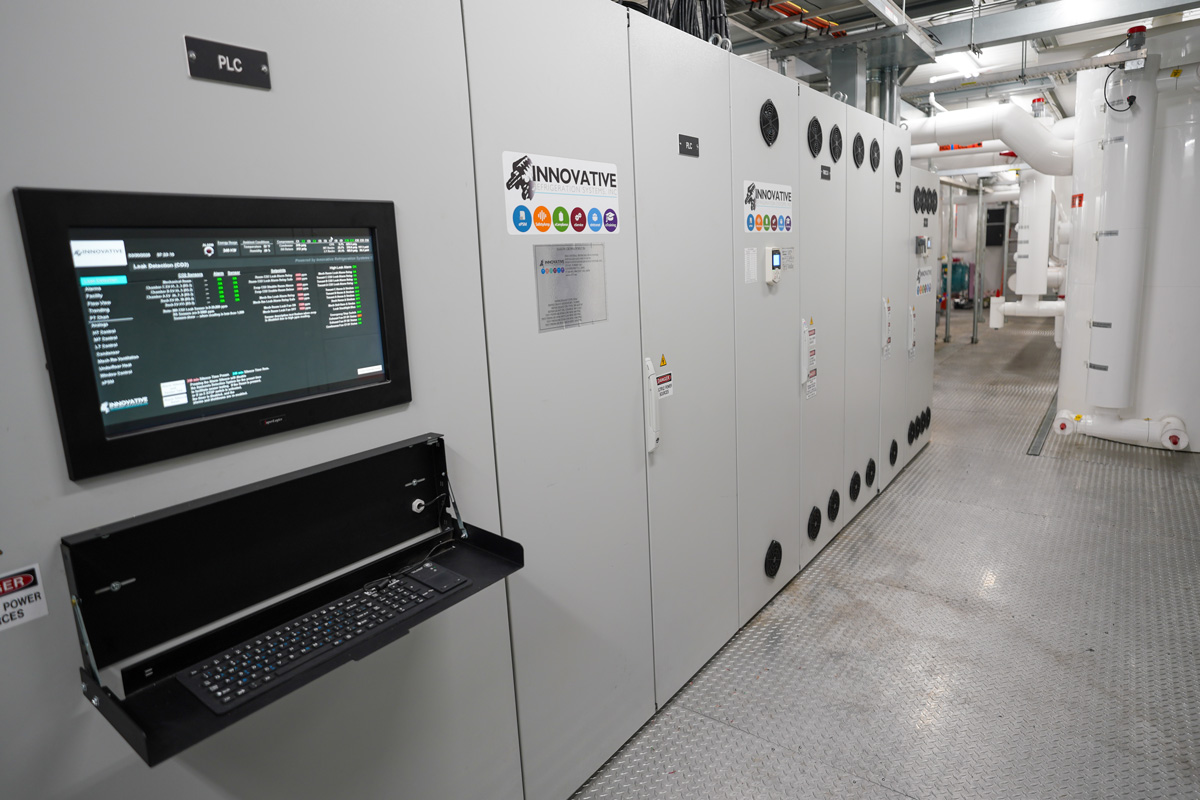
Most systems are controlled by a PLC, or Programmable Logic Controller. The PLC acts as the system’s control center. It monitors key conditions throughout the unit and adjusts components as needed to maintain the proper operating mode, airflow, temperature, humidity, and safety conditions.
Depending on the system design, controls may monitor:
- Filter pressure differences
- Temperature sensors throughout the unit
- Smoke detection
- Fan and motor operation
- Refrigerant leak detection
- Burner operation
- Damper position
- System alarms and safety shutdowns
- Room pressure sensors
This level of monitoring helps facility teams identify issues faster, protect equipment, and reduce the risk of unexpected downtime. For owners and operators, strong control logic can improve reliability and give maintenance teams better visibility into system performance.
Custom Features for Facility-Specific Needs
Every processing facility has different requirements based on the product, room layout, sanitation procedures, temperature needs, and regulatory expectations. Hygienic Air Systems can be customized to support those conditions. Common options include UV-C lights, coil isolation dampers, electric reheat, enhanced filtration, and other project-specific features.
UV-C lights are often installed near cooling coils to provide an added layer of microbial control. While filters remove airborne particles, UV-C can help neutralize certain bacteria and viruses that may survive filtration or collect near coil surfaces.
Coil isolation dampers can help separate or protect certain sections of the unit during specific operating conditions or maintenance procedures. Electric reheat may be used when precise temperature control is needed after dehumidification.
Additional features can also be engineered based on the facility’s operating goals, sanitation requirements, and customer preferences.
Why Choose a Hygienic Air System?
For facilities where cleanliness, humidity control, temperature stability, and air quality are essential, a Hygienic Air System provides a comprehensive solution. It is designed to support production, sanitation, contamination control, and facility performance in one integrated system.
These systems are much more than traditional HVAC units. They are engineered air management solutions built for demanding hygienic environments. Innovative Refrigeration Systems designs, builds, and services Hygienic Air Systems to support long-term safety, efficiency, reliability, and product protection in critical processing facilities.
Facilities that prioritize advanced air handling are better equipped to meet industry standards, support consistent production, and maintain high-performance processing environments.