
Hygienic Air Systems
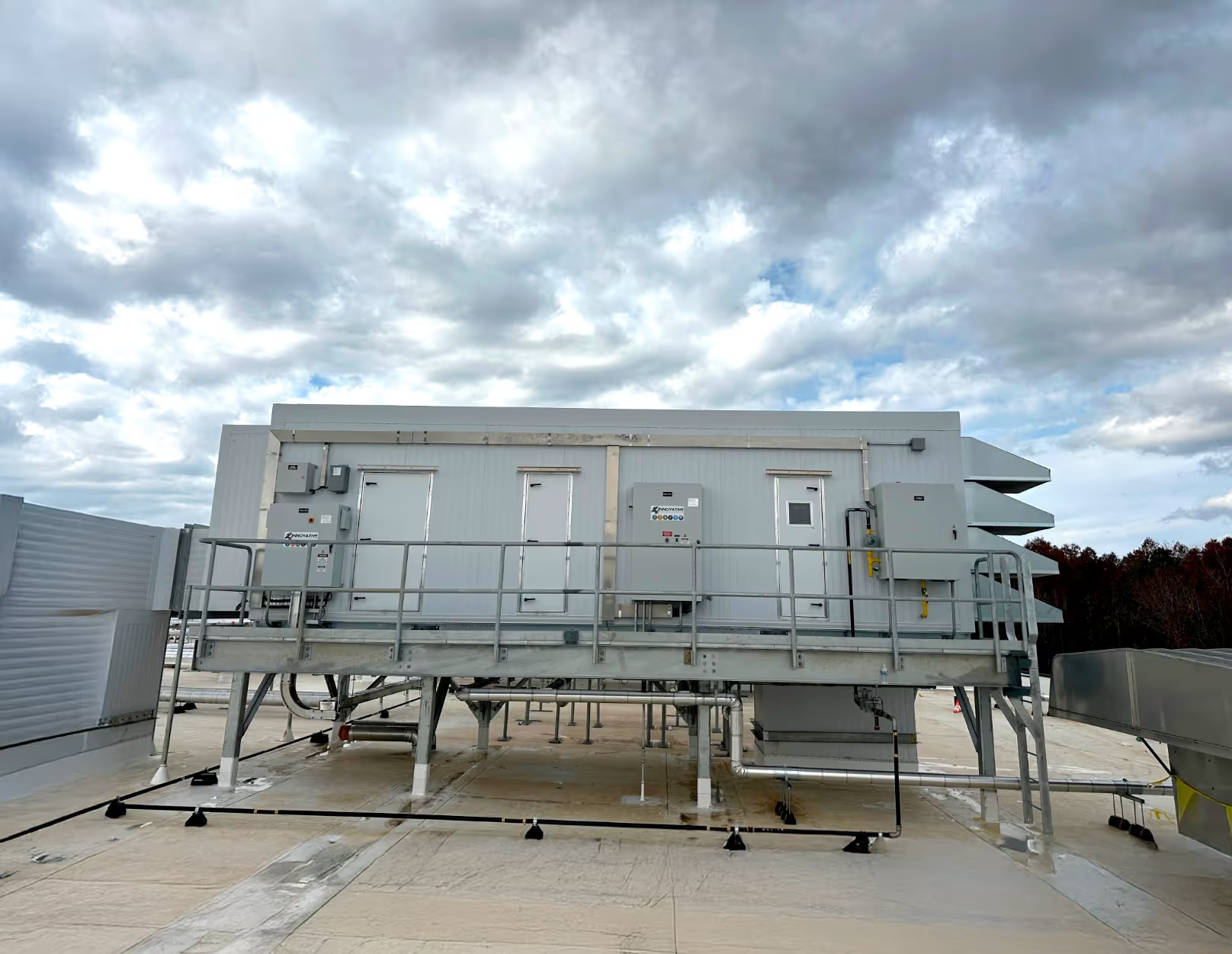
Hygienic air systems are engineered to precisely control air quality, humidity, pressure, and temperature in environments where cleanliness, process stability, and contamination control are essential. In facilities where air conditions directly impact product integrity, regulatory compliance, and operational reliability, Innovative Refrigeration Systems designs fully integrated hygienic air solutions that align refrigeration capacity, air handling, and controls to deliver stable, repeatable conditions across sensitive production and storage spaces.

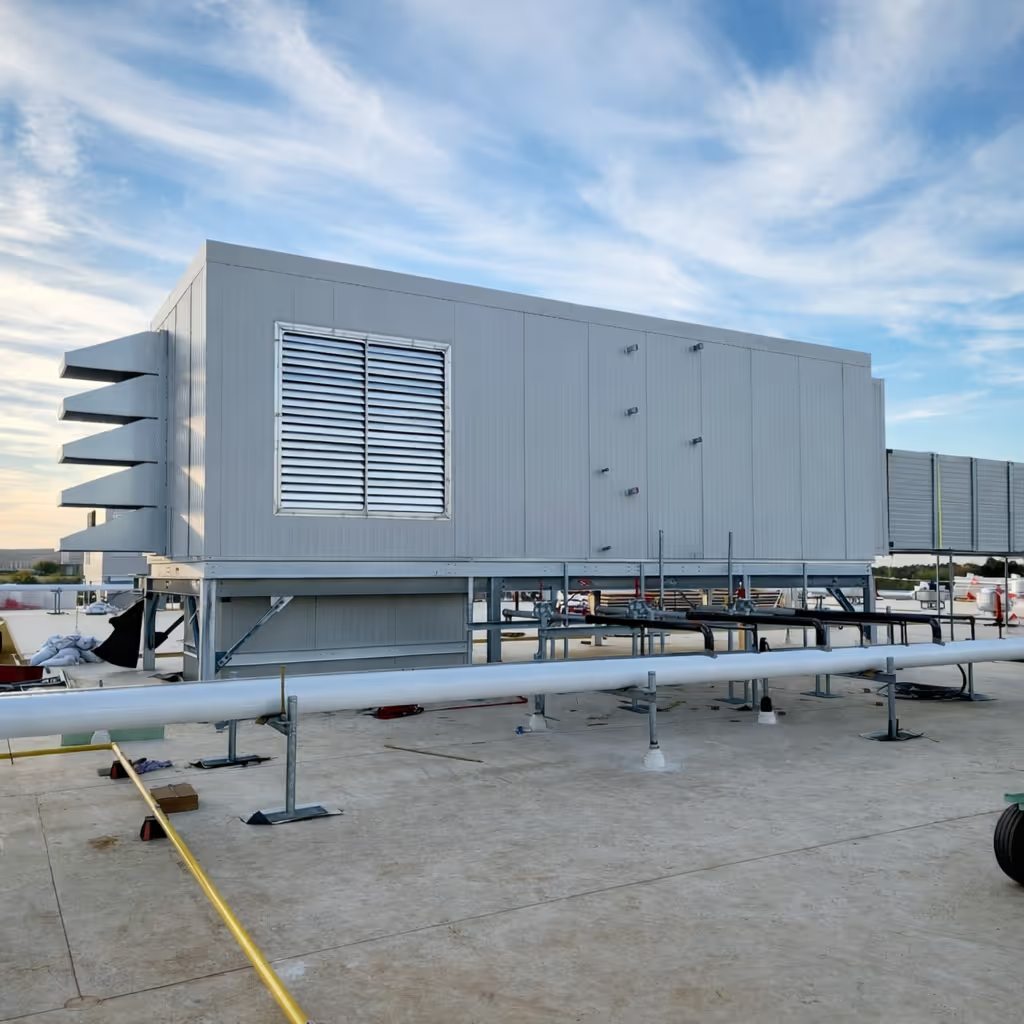
Air Quality Control for Hygienic Environments
In hygienic facilities, air quality is a system-level requirement rather than a standalone feature. Hygienic air systems are designed to manage airflow patterns, filtration strategies, and air exchange rates to minimize airborne contaminants and support sanitation protocols.
System design accounts for room usage, occupancy levels, equipment heat loads, and cleaning cycles. By coordinating air delivery and return paths with room layouts, hygienic spaces maintain consistent conditions during production, washdown, and downtime without relying on operator intervention.
Humidity Stability and Condensation Prevention
Humidity control is a critical factor in maintaining hygienic conditions. Excess moisture can lead to condensation, microbial growth, and surface degradation, while overly dry conditions can impact product quality and process performance.
Hygienic air systems are engineered to maintain narrow humidity ranges under changing loads. Dehumidification, airflow rates, and refrigeration capacity are balanced to prevent condensation on walls, ceilings, equipment, and product surfaces while supporting continuous operation. This approach protects both the environment and the process without introducing unnecessary complexity.
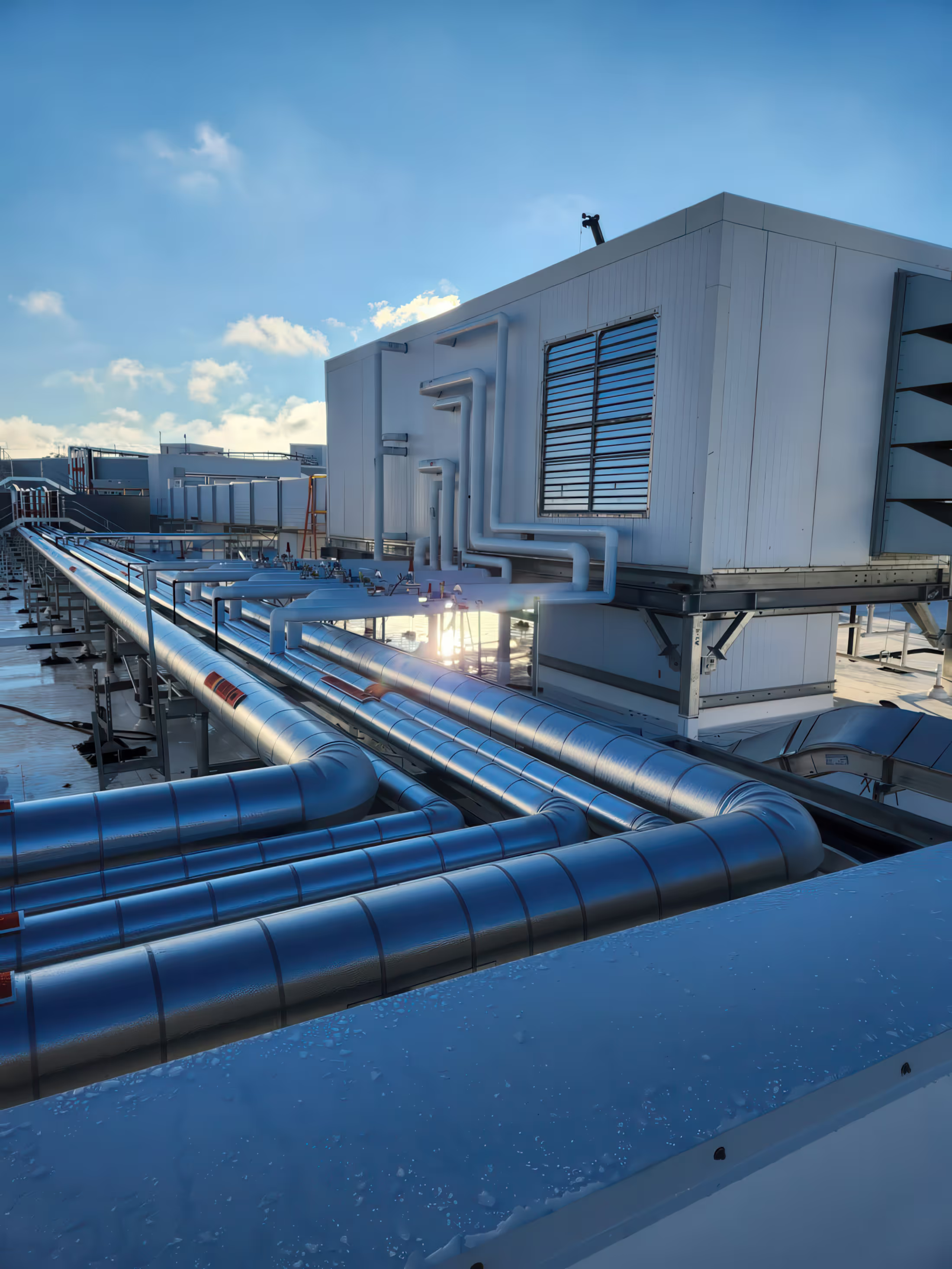
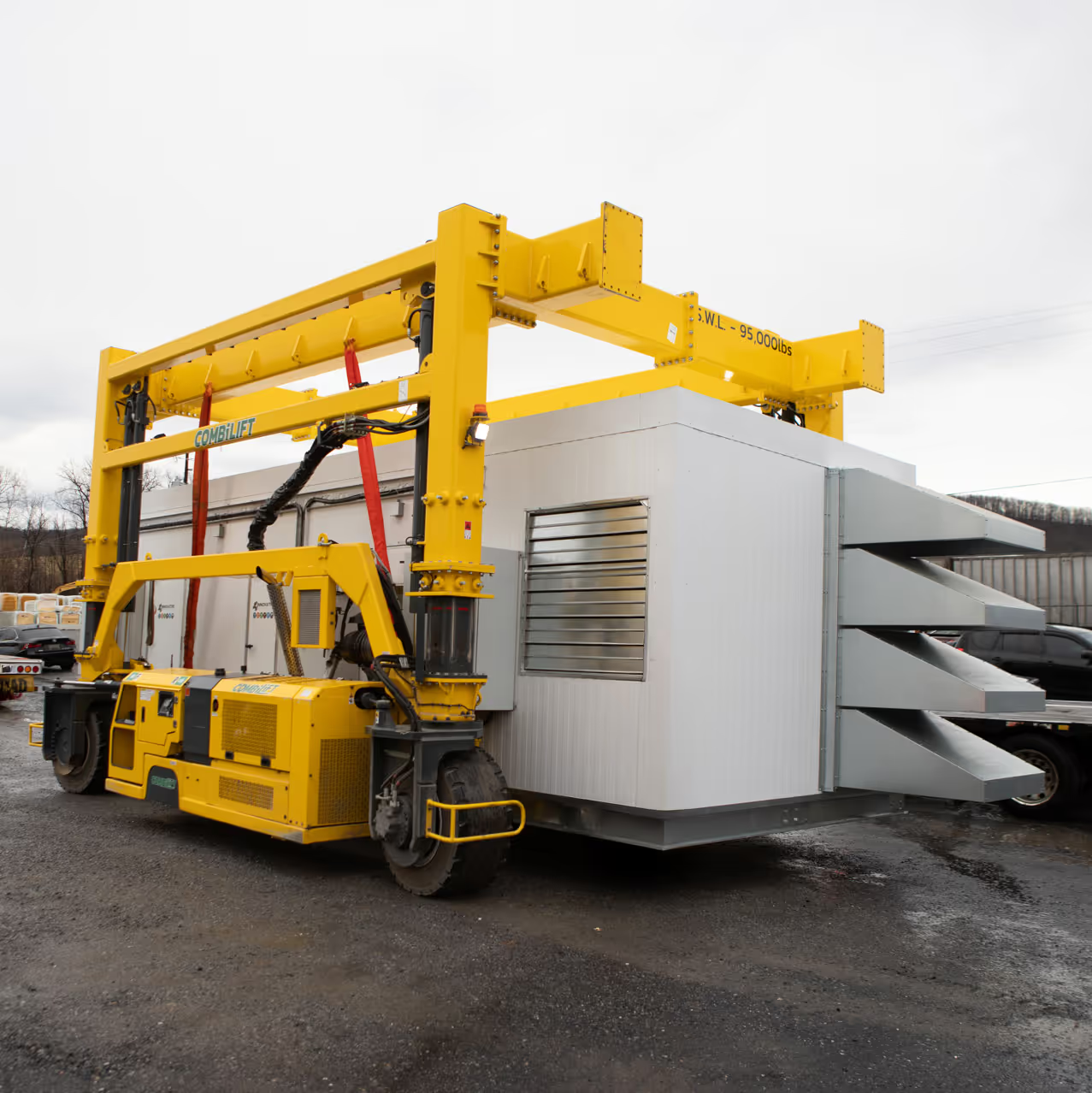
Pressure Control and Airflow Direction
Controlled pressurization is essential in hygienic spaces to prevent cross-contamination between adjacent rooms and zones. Hygienic air systems manage pressure relationships to ensure airflow moves in the intended direction, protecting clean areas from external influences.
Pressure control strategies are integrated into the overall air system design, accounting for door openings, personnel movement, and process-driven airflow changes. These systems maintain stable pressure differentials throughout operating shifts, cleaning cycles, and varying production conditions.
Conditioned Air for Process and Occupied Spaces
Hygienic air systems deliver conditioned air that supports both process requirements and personnel needs without compromising cleanliness or control. Temperature uniformity, air velocity, and distribution patterns are engineered to avoid hot spots, drafts, and stagnant zones.
Air delivery methods are selected to work with room geometry, equipment placement, and operational workflows. This ensures consistent conditions across the space while supporting high air change rates required in hygienic environments.
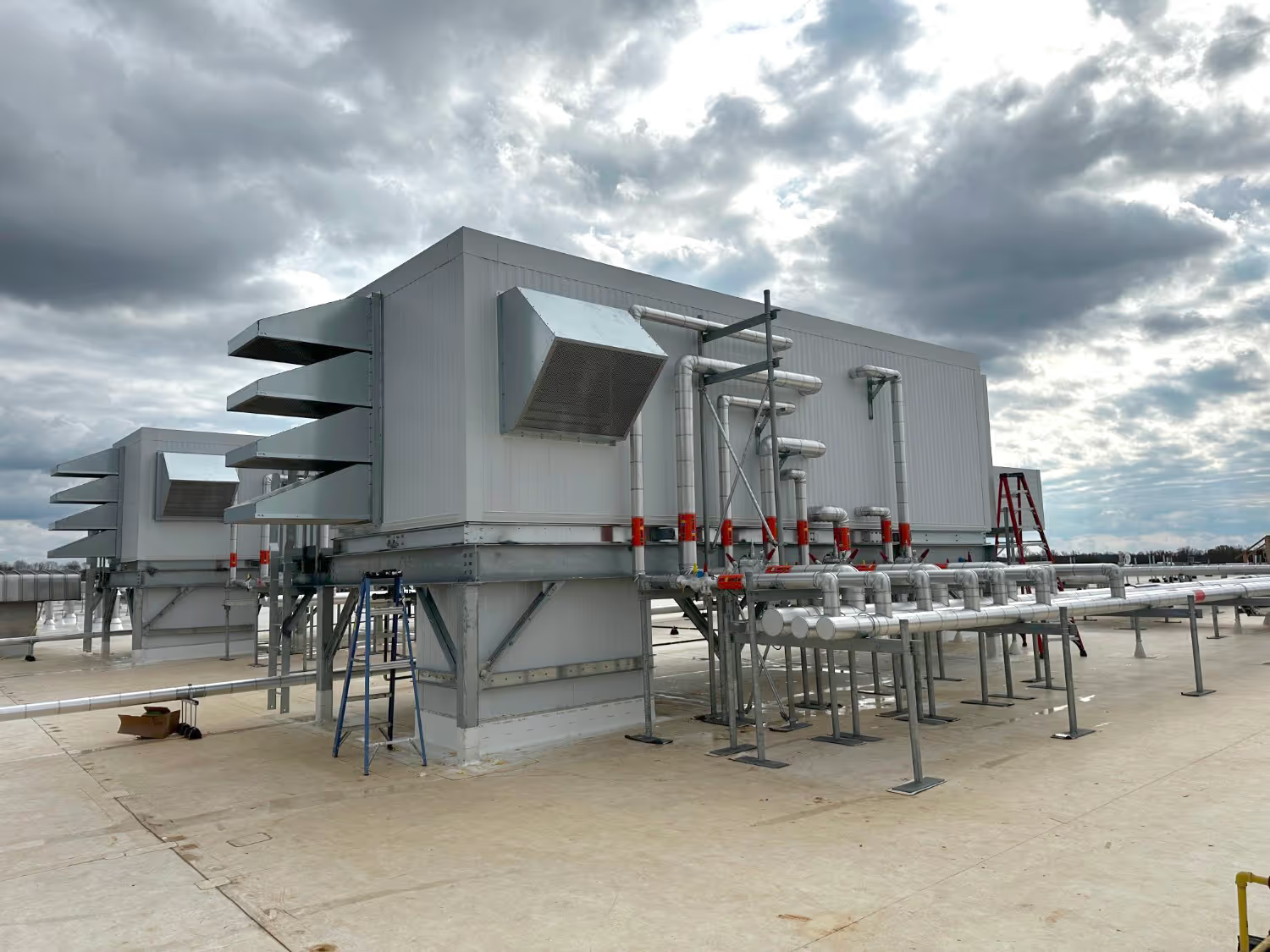
Integrated Controls for Hygienic Performance
Controls tie hygienic air systems together, providing continuous monitoring and coordinated response across temperature, humidity, airflow, and pressure variables. Control strategies are developed to maintain stability rather than chase short-term fluctuations, reducing system stress and operator burden.
Integrated controls support validation, alarm management, and long-term optimization, ensuring hygienic conditions are maintained not only at startup but throughout the life of the facility.
All CapabilitIes
Explore all of our capabilities.