
Humidity Control
Engineered moisture management integrated with industrial refrigeration systems.

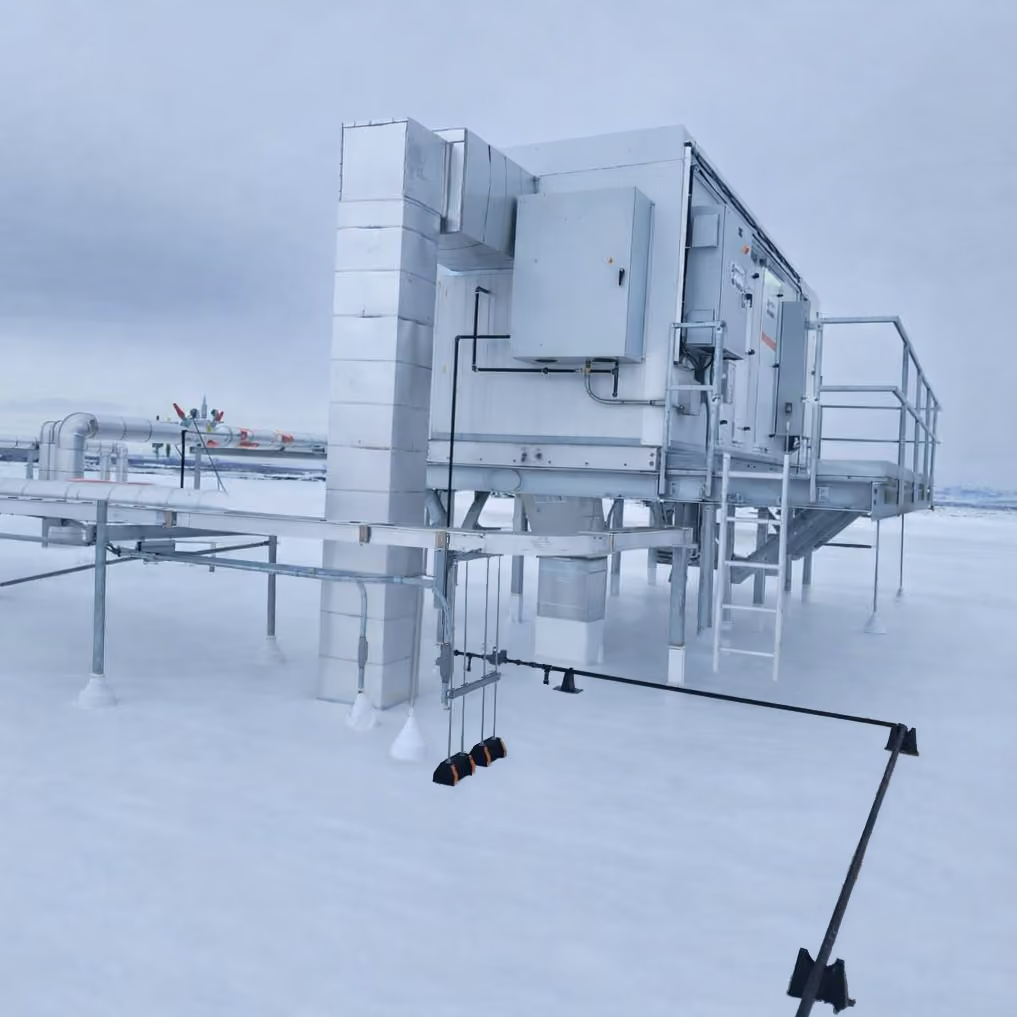
Engineered for Precise Moisture Control
Humidity plays a critical role in how industrial facilities operate, particularly in refrigerated and temperature-controlled environments. Excess moisture drives frost formation, condensation, corrosion, and sanitation challenges, while overly dry conditions can impact product quality and process stability. Effective humidity control balances moisture removal with temperature control to maintain stable conditions across changing loads and operating cycles.
Innovative Refrigeration Systems engineers humidity control as part of an integrated system approach, coordinating refrigeration capacity, air movement, and controls to manage moisture where and when it matters most.
Dehumidification as Part of the Refrigeration System
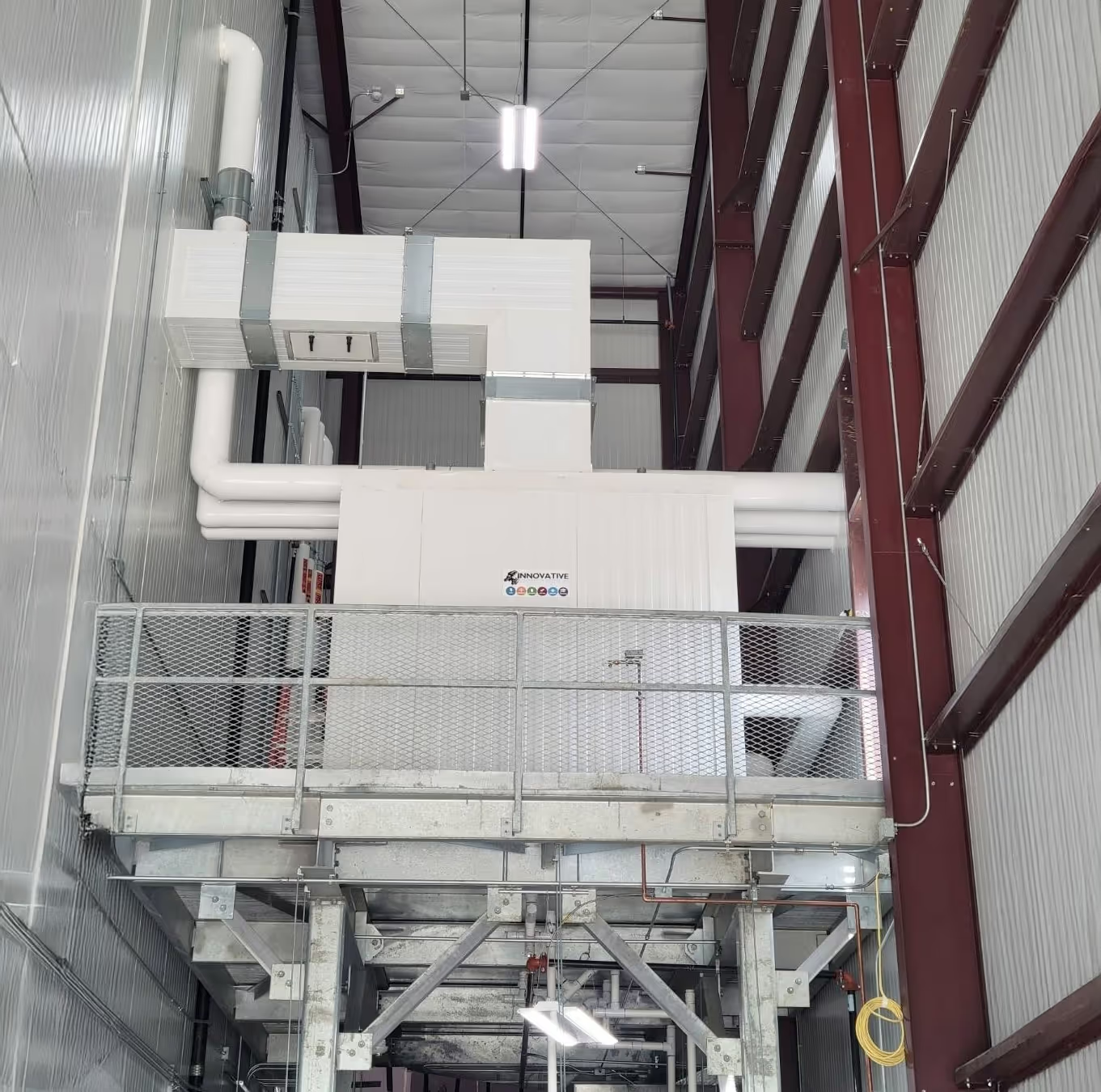
Moisture control is most effective when dehumidification is engineered directly into the refrigeration system rather than treated as a standalone function. Latent load, air temperature, and evaporator performance are evaluated together so moisture is removed efficiently without driving unnecessary energy use or creating uneven conditions within the space.
By aligning dehumidification with refrigeration operation, systems reduce frost accumulation on coils, stabilize suction conditions, and limit the need for aggressive defrost cycles. This coordination improves heat transfer, reduces mechanical stress, and supports consistent performance under variable operating conditions.
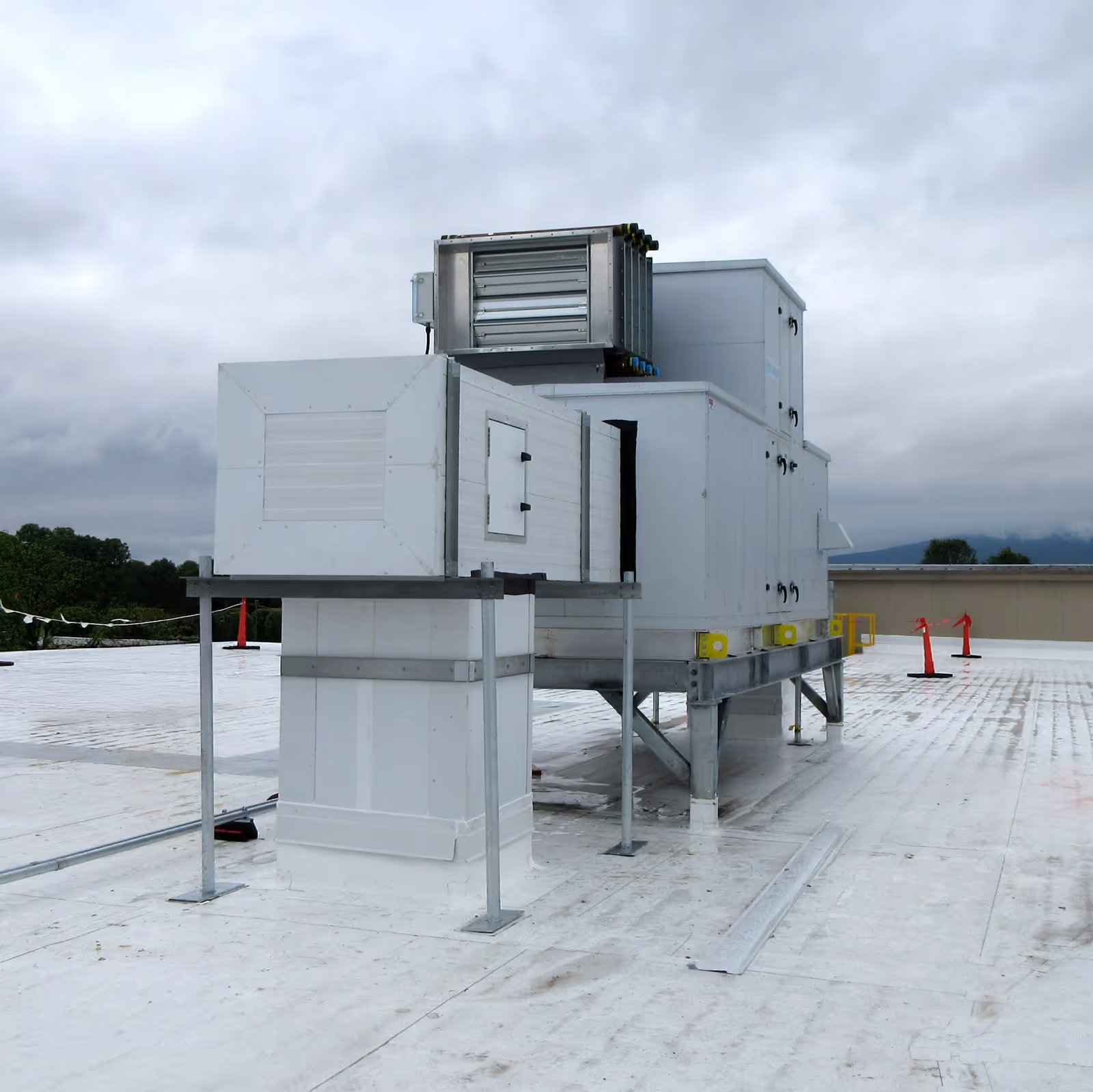
Managing Condensation in Refrigerated and Ambient Spaces
Condensation occurs when surface temperatures fall below the dew point of the surrounding air, a common condition in facilities with frequent door openings, washdown cycles, or mixed-temperature zones. Humidity control systems are engineered to manage dew point across occupied spaces, structural surfaces, and equipment, reducing the formation of condensation before it becomes a problem.
Stabilizing moisture levels improves floor conditions, limits corrosion on piping and structural components, and reduces the risk of moisture-related safety and maintenance issues. Over time, this translates to cleaner environments, lower maintenance demand, and improved facility uptime.
Maintaining Stable Moisture Conditions Under Variable Loads
Industrial facilities rarely operate under steady-state conditions. Traffic patterns, production schedules, weather changes, and refrigeration demand all introduce fluctuations that affect humidity. Humidity control systems are designed to respond dynamically to these changes, maintaining stable moisture levels without overcorrecting or creating unintended temperature swings.
Controls continuously adjust system response based on real-time conditions, allowing humidity targets to be maintained during peak activity, off-shift operation, and seasonal transitions. This stability supports consistent product handling, reliable process outcomes, and predictable system behavior.
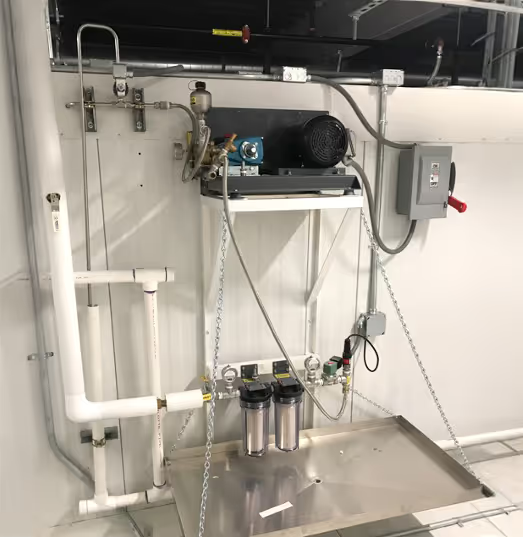
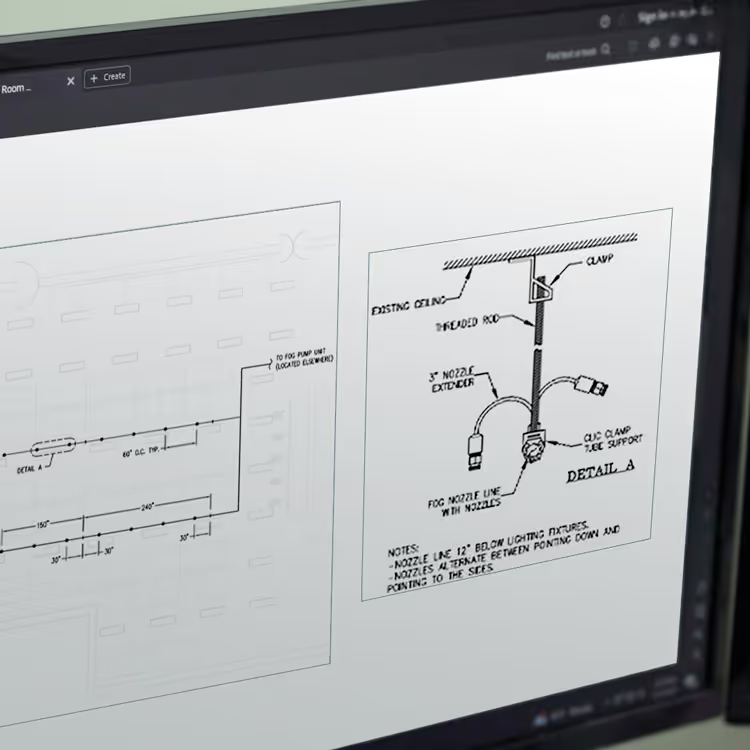
Designed Around How Facilities Actually Operate
Humidity control strategies are developed based on how facilities are used, not theoretical design assumptions. Door cycling frequency, airflow paths, sanitation practices, and refrigeration sequencing are all considered during system design to ensure moisture control performs under real-world conditions.
By engineering humidity control in coordination with refrigeration systems and facility operations, long-term performance is improved without introducing unnecessary complexity. The result is a system that protects products and infrastructure while supporting efficient, reliable operation over the life of the facility.
All CapabilitIes
Explore all of our capabilities.