
Blast Freezing Systems
Blast freezing systems rapidly reduce product temperature using high velocity airflow and low temperature refrigeration to preserve quality, texture, and shelf life in industrial environments. When properly engineered, blast freezing supports consistent performance, predictable throughput, and reliable operation for facilities with demanding production, storage, and distribution requirements.


Engineered for Rapid and Uniform Freezing
Innovative Refrigeration Systems engineers blast freezing as an integrated refrigeration solution designed to deliver high airflow, stable low temperatures, and uniform heat removal across full product loads. Systems are tailored to product type, packaging, pallet or rack configuration, and required freeze times to achieve rapid pull-down without compromising product integrity or yield.
Effective blast freezing depends on more than air temperature alone. Evaporator selection, airflow velocity, air distribution patterns, and refrigeration capacity are balanced as a complete system to manage variable loads, production schedules, and continuous operation. Designs account for real-world conditions such as staggered loading, mixed product sizes, and high throughput demands common in industrial facilities.
Mechanical refrigeration equipment, airflow systems, electrical infrastructure, and controls are integrated to support efficient installation and structured commissioning. By coordinating these elements from the start, blast freezing systems minimize dehydration, frost buildup, and uneven temperature zones while delivering repeatable, predictable freezing performance under demanding operating conditions.
Blast Freezing Applications
System layouts are configured to align with material handling flow, available floor space, and upstream and downstream process requirements.
Blast freezing systems are applied across a wide range of industrial freezing needs, including:
High-throughput freezing for boxed, bagged, or bulk products
Palletized freezing where airflow penetration and uniformity are critical
In-process freezing supporting continuous production lines
Batch freezing operations with variable product mixes and loading schedules
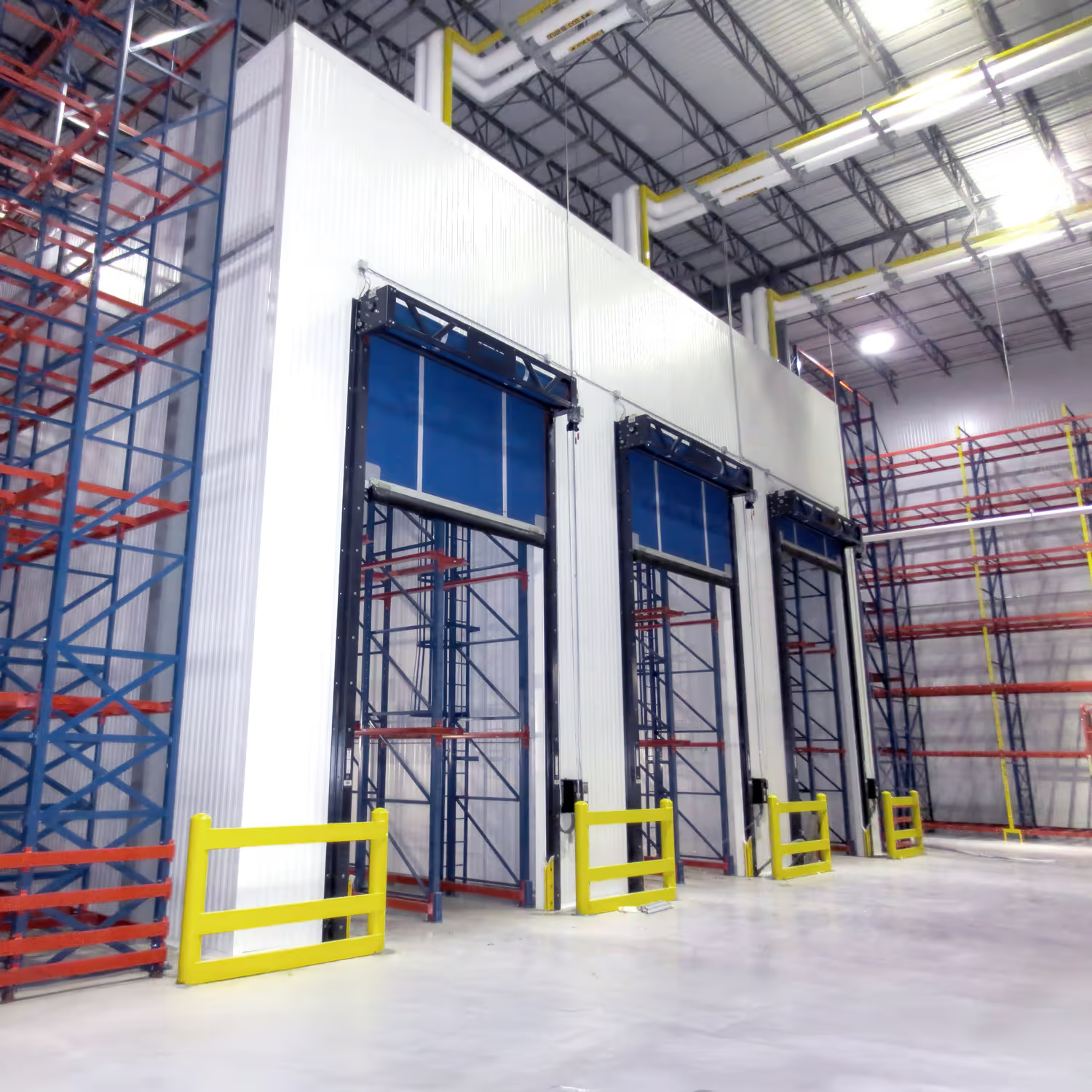
Individual Rack Freezing (IRF) Systems
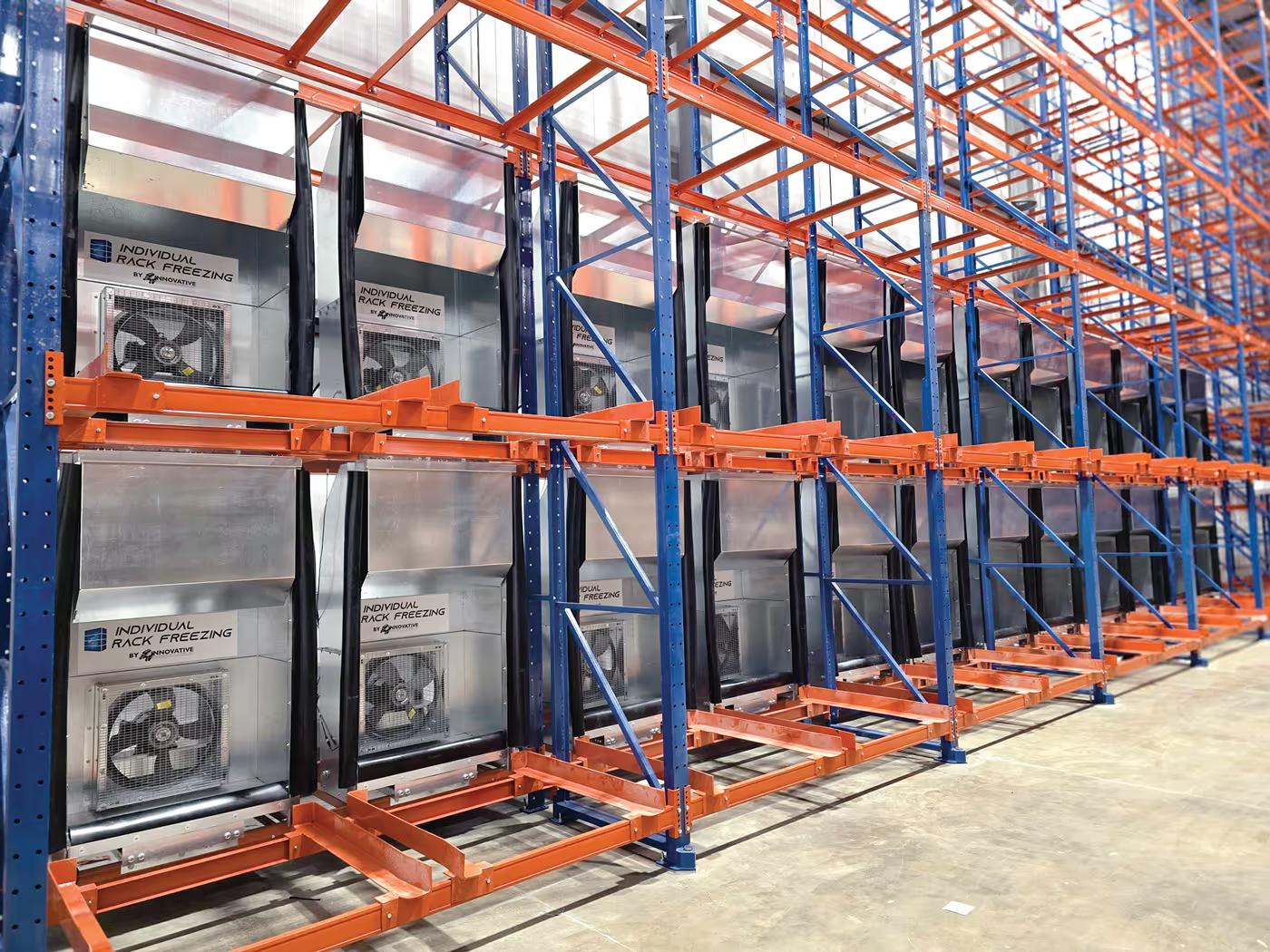
Precision Freezing at the Rack Level
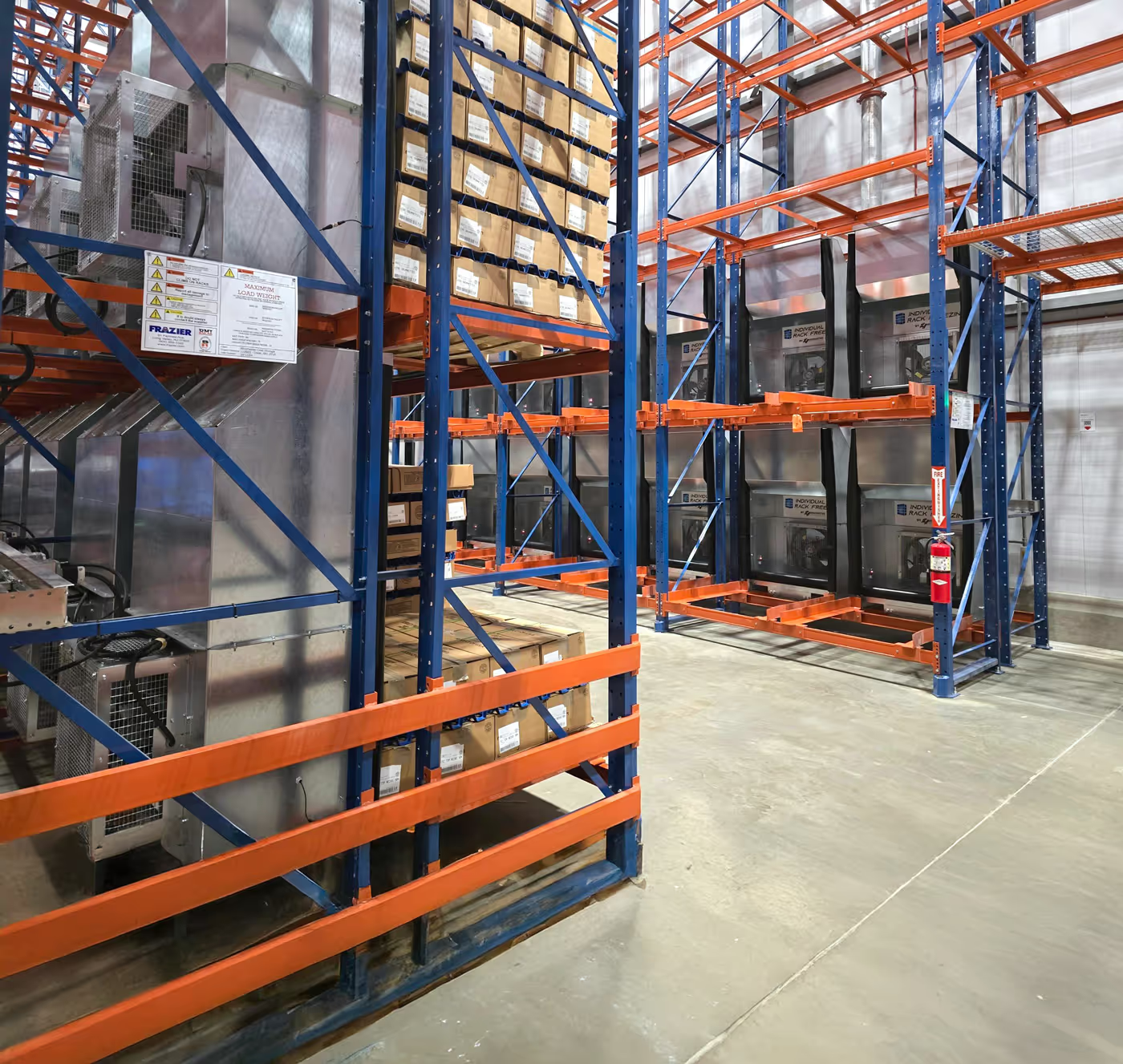
Individual Rack Freezing systems are engineered for applications where freezing speed, temperature uniformity, and process control directly impact product quality and throughput. Rather than freezing large zones or rooms, IRF systems deliver controlled airflow and refrigeration capacity directly to each rack position.
This approach allows each rack to experience consistent freezing conditions, reducing temperature variation, dehydration, and extended freeze times commonly associated with traditional blast freezing layouts.
How IRF Systems Operate
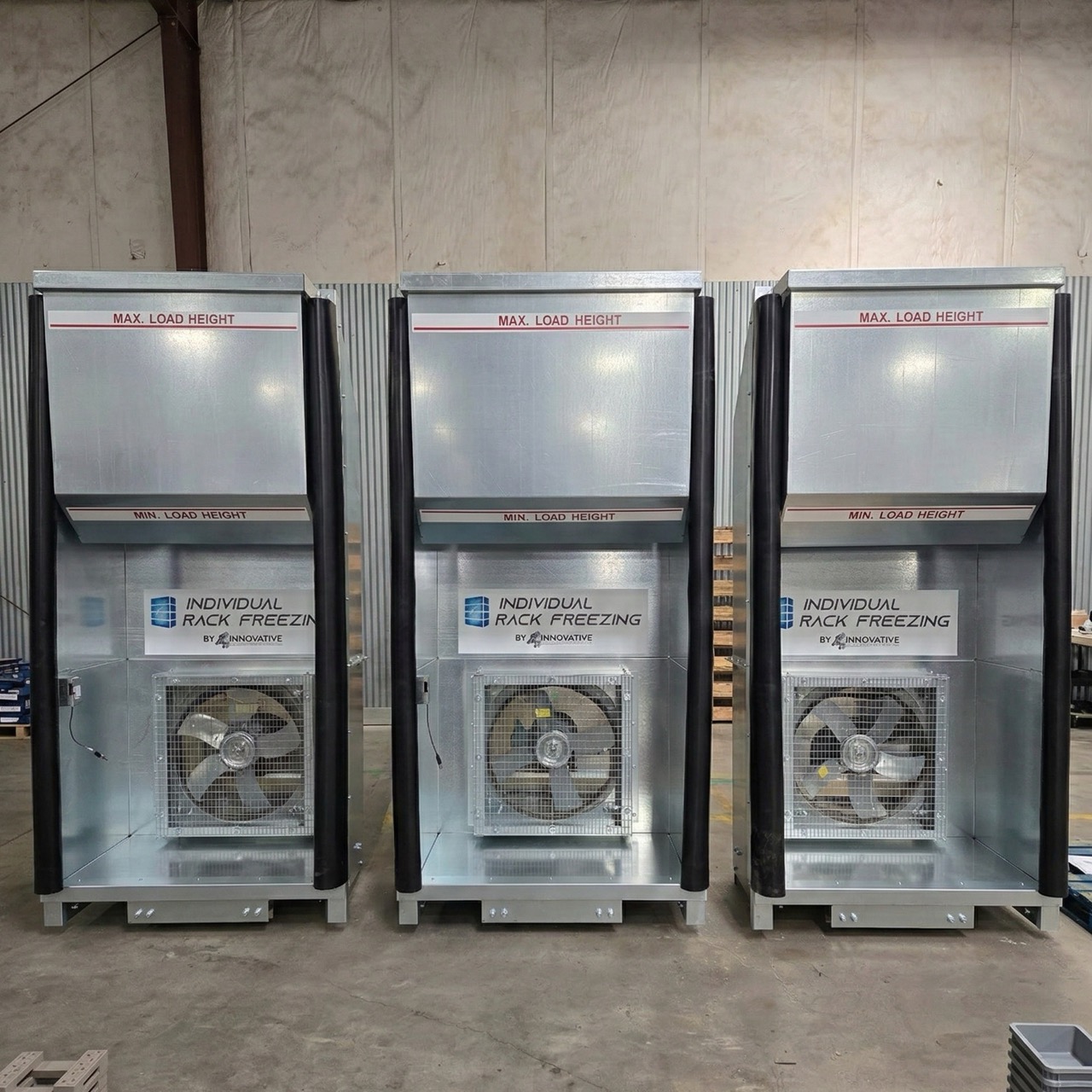
IRF systems use dedicated airflow paths and evaporator arrangements to deliver uniform, high-velocity air across individual racks. Refrigeration capacity is matched to rack loading profiles, enabling rapid pull-down regardless of product placement within the system.
Key characteristics include:
Uniform temperature exposure across all product positions
Controlled airflow directed through each rack
Reduced dependency on room-level air mixing
Consistent freeze times from rack to rack
The result is predictable freezing performance that supports tighter production scheduling and improved yield control.
Where IRF Fits Best
IRF systems can be integrated into new facilities or incorporated into existing freezing operations as part of a broader blast freezing strategy.
Individual Rack Freezing is well suited for:
Products with strict freeze time or temperature requirements
Operations with frequent product changeovers
Facilities seeking higher throughput within a smaller footprint
Processes where product quality and appearance are closely monitored
Tempering Systems
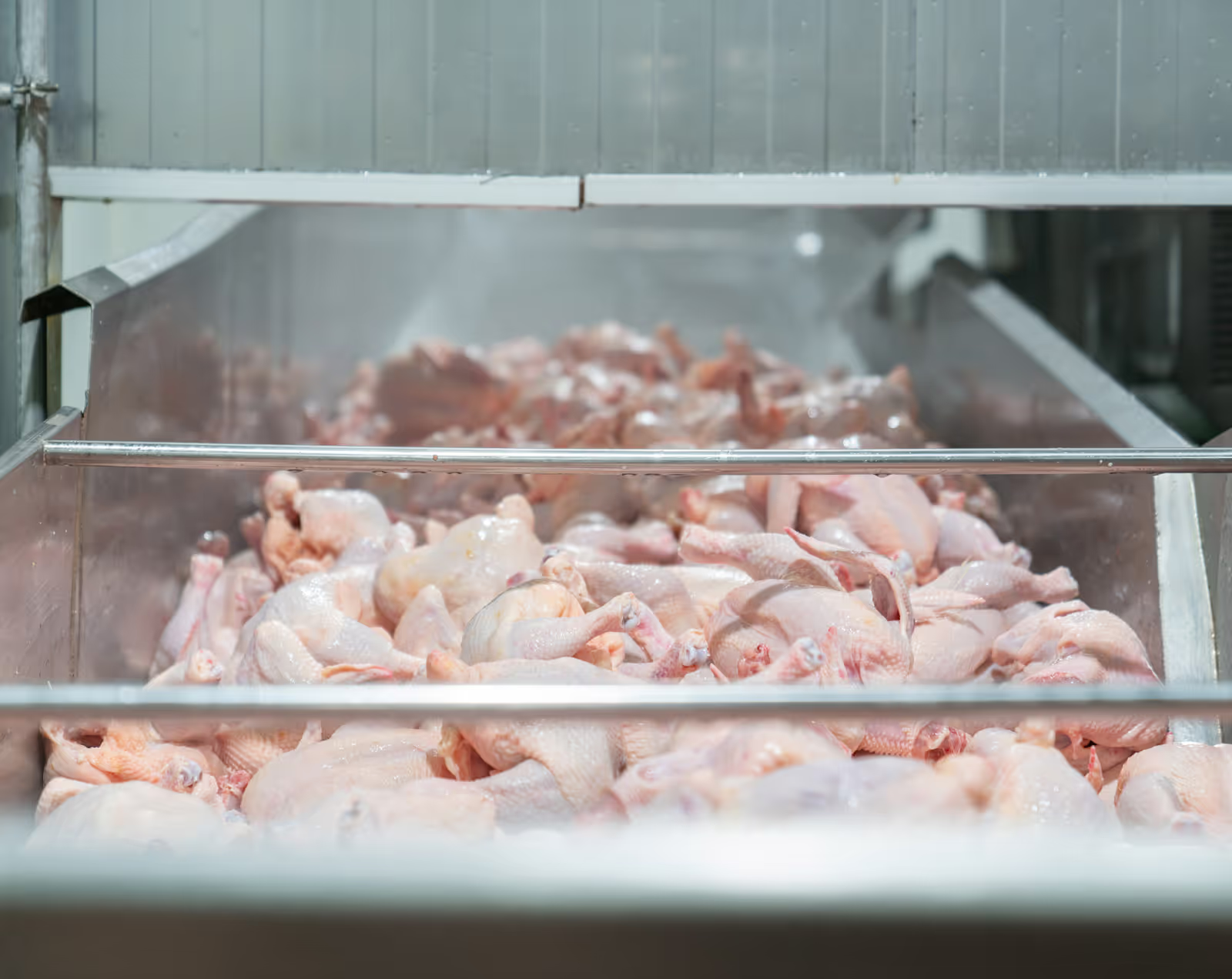
Controlled Temperature Equalization After Freezing
Tempering is a critical step in many industrial freezing processes, allowing product temperature to equalize after rapid freezing while maintaining food safety, yield, and product integrity. Innovative Refrigeration Systems designs tempering solutions that provide controlled, uniform temperature rise without surface damage or internal temperature gradients.
Tempering systems are engineered to work in coordination with blast freezing operations, ensuring product transitions smoothly from frozen storage to downstream processing, packaging, or distribution.
Tempering Design Considerations
By controlling airflow, temperature, and residence time, tempering systems reduce drip loss, prevent surface condensation, and support consistent product performance during further processing.
Tempering solutions are designed based on:
Product size, composition, and packaging
Target internal temperature ranges
Required tempering timeframes
Integration with upstream freezing and downstream handling
All CapabilitIes
Explore all of our capabilities.