
Air Doors
Air doors are applied as part of a broader refrigeration strategy to manage infiltration, improve energy efficiency, and support operational continuity in refrigerated environments. Where frequent door openings and material movement are unavoidable, air doors help maintain separation between temperature zones without restricting throughput.

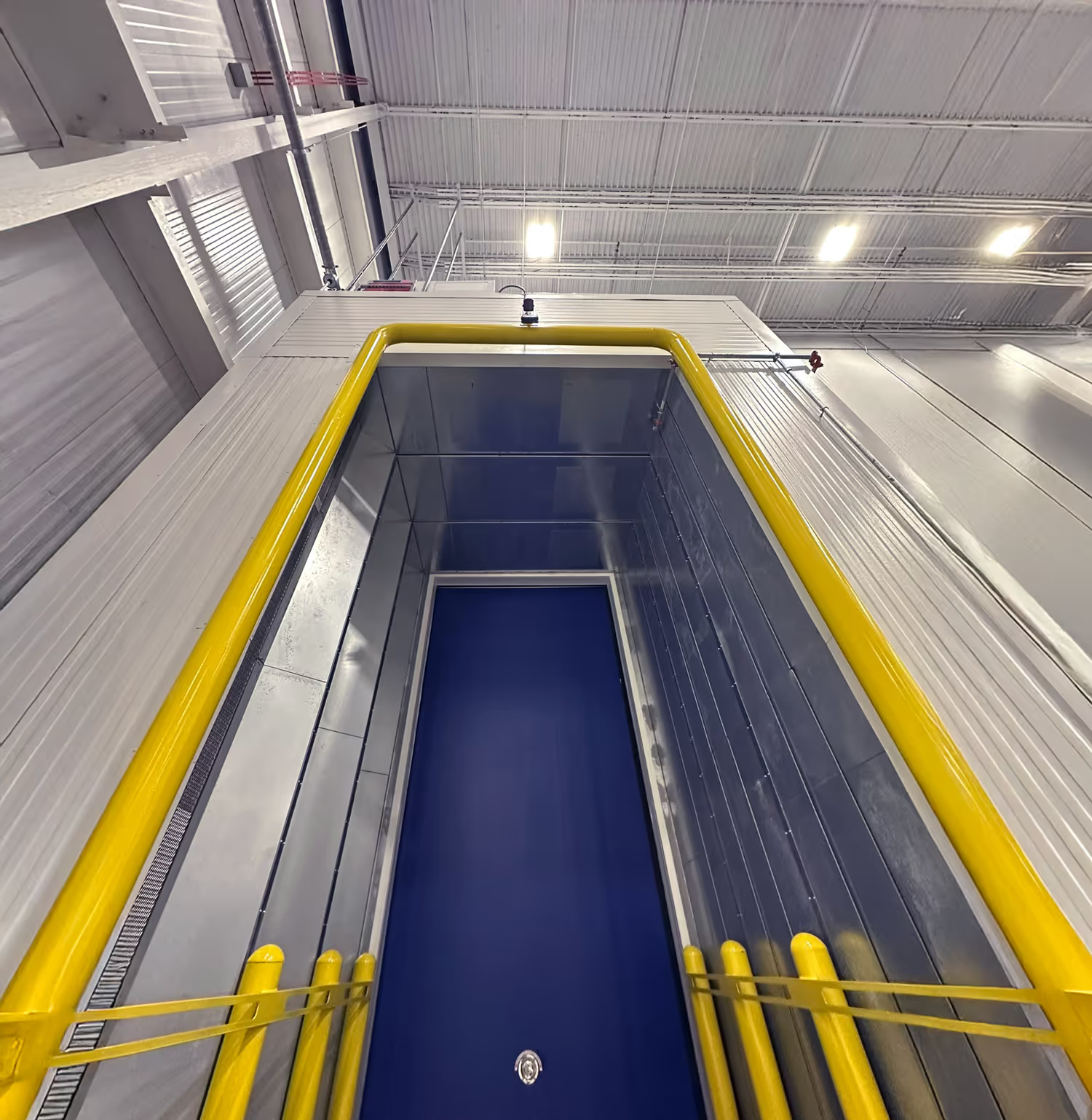
Controlling Infiltration at Door Openings
Door openings are one of the largest sources of heat and moisture gain in refrigerated facilities. Every opening introduces warm moist air that increases refrigeration load and accelerates frost formation.
Air doors reduce infiltration during frequent door cycles by creating a controlled air barrier across the opening. When properly engineered, they maintain separation between temperature zones without slowing personnel, pallet movement, or material handling. This allows facilities to protect temperature stability in high-traffic areas without relying on physical barriers that disrupt operations.
Integrated with Refrigeration and Facility Operations
Air doors are engineered in coordination with refrigeration capacity, airflow patterns, and control strategies to reflect how doors are actually used during daily operation.
Innovative evaluates door size, traffic patterns, temperature differentials, and operating schedules to determine where air doors provide meaningful benefit. By integrating air doors into the overall refrigeration system design, facilities gain better control over energy use, humidity, and temperature stability during peak operating conditions.
This coordination reduces unnecessary compressor runtime, limits frost buildup, and improves overall system performance in areas where door openings are unavoidable.

Built for Real-World Throughput and Efficiency
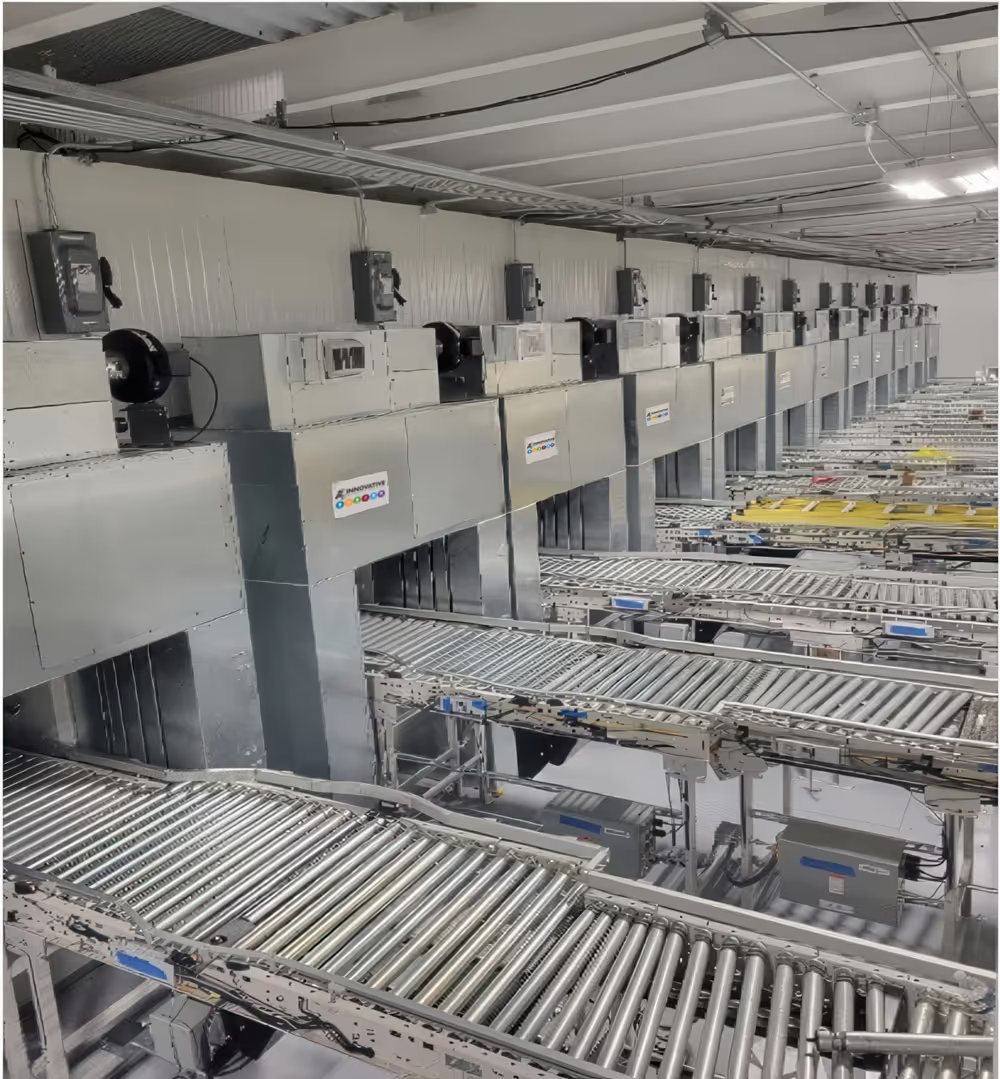
Air doors are designed for continuous use in demanding refrigerated environments. High-velocity horizontal airflow minimizes air exchange during door openings while maintaining clear, unobstructed passage.
Optional variable frequency drives allow precise control of air velocity, ensuring proper air stream alignment at the floor while avoiding excess energy use. Designs eliminate belt-driven motors and reduce routine maintenance through sealed motor bearings. Integrated heaters, where necessary, prevent condensation, supporting dry floors and safer working conditions.
The result is consistent performance under high door cycle frequency without sacrificing reliability or operational efficiency.
Long-Term Performance with Minimal Operational Burden
Over time, uncontrolled infiltration increases energy consumption, accelerates equipment wear, and creates safety and maintenance challenges. Air doors help facilities manage these risks by reducing moisture entry, limiting ice formation, and protecting refrigeration equipment from unnecessary load.
Durable construction, low maintenance requirements, and flexible configurations allow air doors to be applied across new construction, expansions, and retrofit projects. Systems can be configured to match door size, temperature differential, and traffic volume, supporting stable operation in high-throughput environments where performance consistency matters.
