
Ammonia Refrigeration
Ammonia (R-717) is the benchmark refrigerant for large-scale industrial systems, delivering unmatched efficiency, stability, and long-term viability for mission-critical refrigeration applications.

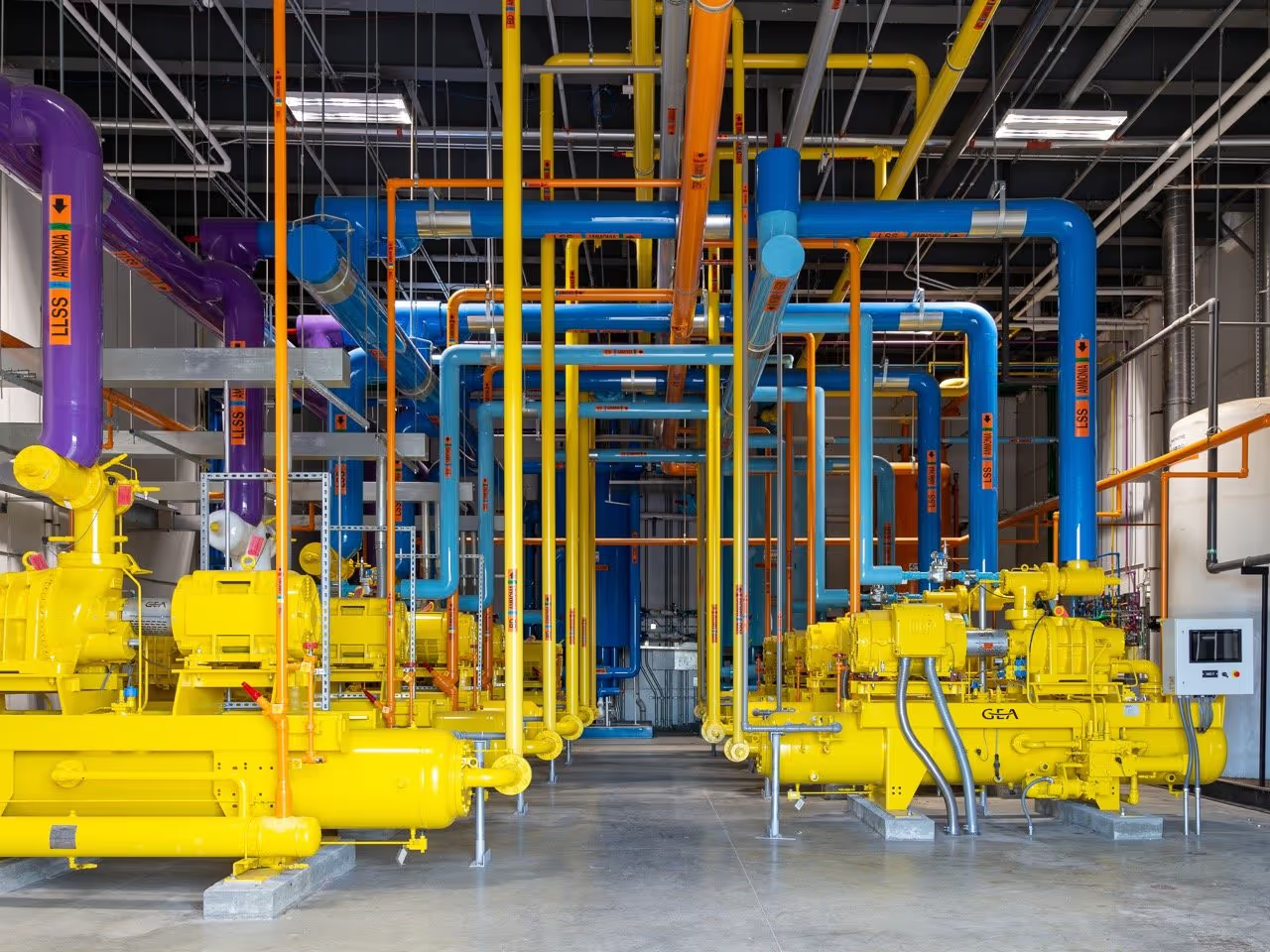
Ammonia in Industrial Refrigeration Systems
Ammonia refrigeration systems set the standard for industrial cooling in cold storage, food processing, manufacturing, and large-scale distribution. With zero ozone depletion potential, zero global warming potential, and no exposure to refrigerant phase-down regulations, ammonia provides a future-ready platform for facilities planning decades of operation.
Ammonia's high efficiency at industrial scale reduces energy consumption and operating cost compared to synthetic refrigerants, making it a predictable, cost-effective choice for long-term refrigeration infrastructure.
Safety by System Design
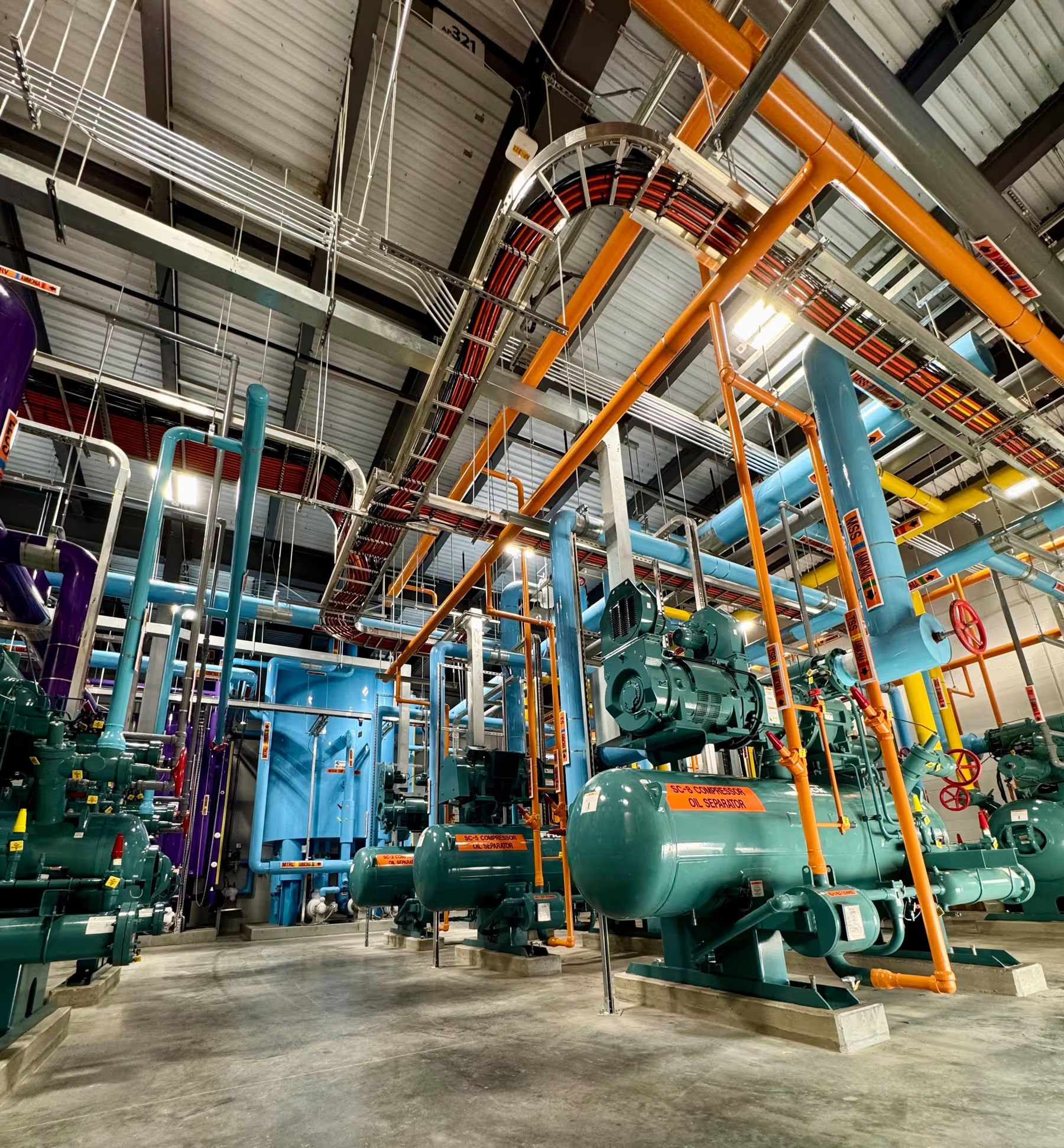
Ammonia is widely used in industrial refrigeration because it is well understood, highly detectable, and governed by established safety codes and standards. Modern ammonia systems are engineered with safety embedded at the system level, not added as an afterthought.
Key safety considerations include:
Purpose-built machinery rooms and mechanical enclosures
Controlled refrigerant inventories aligned with system architecture
Clear isolation of refrigerant-containing equipment from occupied spaces
Ventilation, detection systems, and redundant safety devices.
System layouts that support inspection, maintenance, and emergency response
Harness the Energy
Efficiency of Ammonia
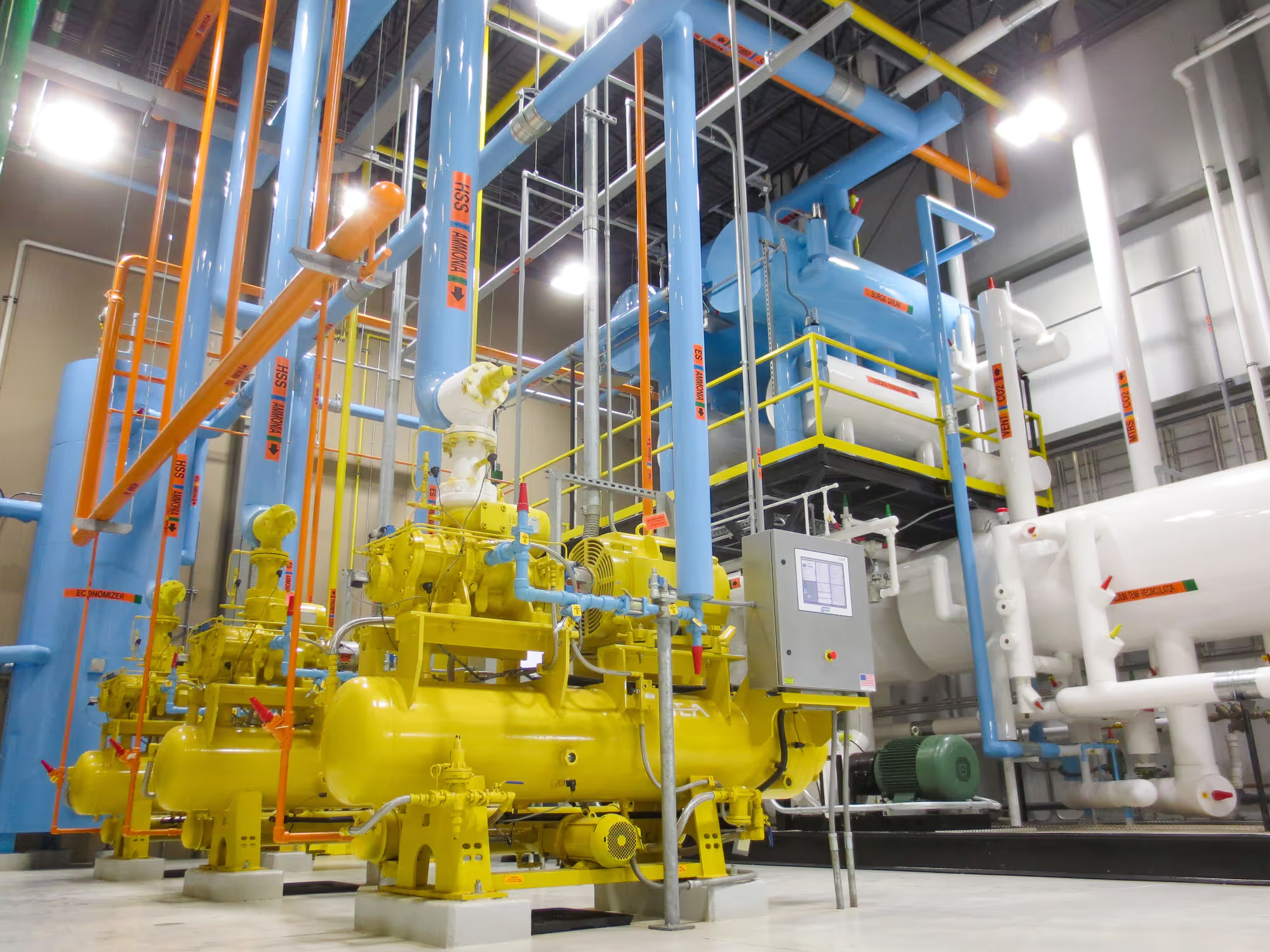
Energy efficiency is one of the primary reasons facilities select ammonia refrigeration. Its high latent heat of vaporization and favorable pressure characteristics allow systems to move more heat with less energy compared to synthetic refrigerants, especially at low temperatures and high capacities.
Ammonia systems support a wide range of efficiency strategies, including:
High-efficiency compressor operation across broad load ranges
Reduced compression ratios in low-temperature applications
Effective heat recovery for process heating or space heating
Integration with variable speed drives and advanced control strategies
Efficient operation during part-load and off-design conditions
These characteristics make ammonia particularly well suited for facilities where refrigeration is a dominant energy load and efficiency gains translate directly into operating cost reduction.
Why Facilities Choose Ammonia
Ammonia offers performance characteristics that alternative refrigerants cannot replicate at industrial scale. Its physical properties allow systems to move more heat with less energy, fewer compressors, and smaller components, resulting in efficient operation across a wide range of loads and operating conditions.
Key advantages include:
Superior thermodynamic efficiency at low and medium temperatures
Predictable long-term operating costs driven by low refrigerant cost and energy efficiency
Durable system construction using steel piping and industrial-grade components
Regulatory stability, with no phase-down or replacement risk
Proven performance across decades of continuous operation in demanding environments
For facilities operating around the clock, ammonia provides a stable, future-ready refrigeration platform.
Centralized Ammonia Systems
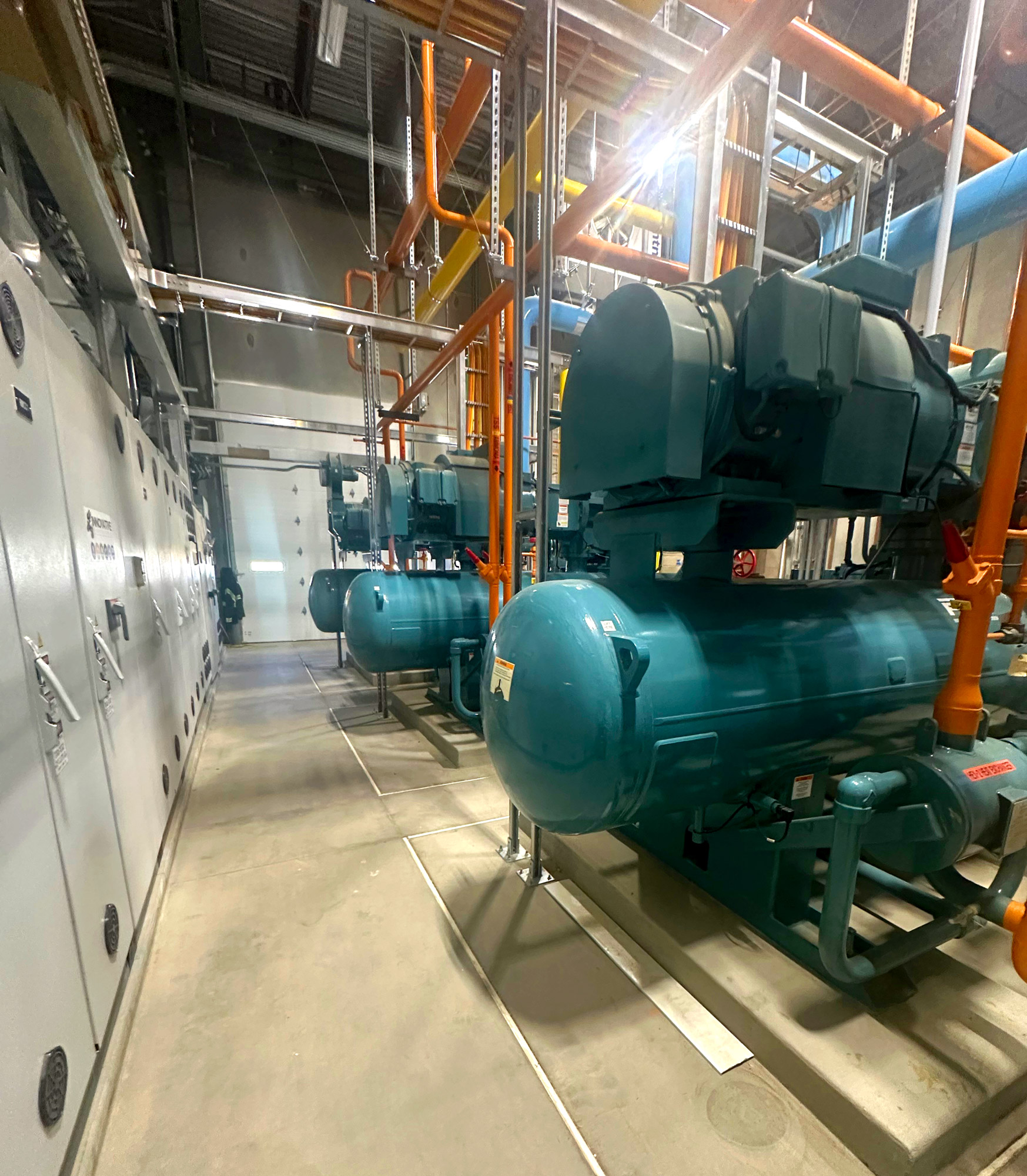
Ammonia refrigeration systems can be configured in multiple ways to align with facility layout, safety objectives, load profiles, and operational preferences. Selecting the right architecture is a critical design decision that balances efficiency, refrigerant charge, and system complexity.
Flooded & Recirculated Systems
Flooded and pumped recirculation systems maximize heat transfer efficiency at the evaporator. These designs are commonly used in cold storage, food processing, and freezing applications where stable temperatures and high loads are required.
Low-Charge DX Ammonia Systems
Low-charge ammonia systems are engineered to minimize regulatory burden while preserving ammonia’s performance advantages. These designs are often paired with packaged equipment, compact machine rooms, or secondary loops to support safety and facility layout requirements.
All CapabilitIes
Explore all of our capabilities.