Hydrofluorocarbon (HFC) Phasedown: Why More Industrial Facilities Are Choosing Natural Refrigerants
For decades, refrigeration system owners have adapted to an evolving refrigerant landscape. As environmental regulations have changed, many synthetic refrigerants have been restricted, phased out, or replaced by new alternatives. From hydrochlorofluorocarbons (HCFCs) to hydrofluorocarbons (HFCs), facility owners have repeatedly been forced to evaluate refrigerant availability, equipment compatibility, and long-term operating strategies.
Today, the refrigeration industry is facing another significant transition. The American Innovation and Manufacturing (AIM) Act is driving the phasedown of HFC refrigerants as part of a broader effort to reduce greenhouse gas emissions and encourage the adoption of lower global warming potential (GWP) alternatives. As organizations plan for the future, many are asking the same question: How can facilities avoid repeatedly adapting to the next refrigerant transition?
For many industrial refrigeration applications, the answer lies in natural refrigerants.
How the HFC Phasedown Is Changing Refrigeration Decisions
The AIM Act, signed into law in 2020, authorizes the Environmental Protection Agency (EPA) to phase down the production and consumption of HFC refrigerants while encouraging the adoption of lower-GWP technologies. The AIM Act not only impacts HVAC systems using refrigerants such as R-410A, but also affects industrial refrigeration systems that rely on HFC refrigerants including R-507A, R-134a, R-407, and others.
The EPA's long-term strategy aims to reduce HFC production and consumption by 85% by 2036. Some states and localities like CA and NY have already adopted stricter methods with more aggressive timelines to phase down HFCs.
While many HFC refrigerants remain available today, the broader trend is clear. High-GWP HFC refrigerants continue to face increasing regulatory scrutiny, creating uncertainty for refrigeration systems expected to remain in service for decades.
The Challenge of Repeated Refrigerant Transitions
Every refrigerant transition brings operational and financial challenges, from equipment compatibility and refrigerant availability to maintenance costs and long-term capital planning.
While synthetic refrigerants have evolved to meet changing regulations, many facility owners are growing concerned about the cycle of repeated refrigerant transitions. Rather than investing in another refrigerant that may face future restrictions, organizations are increasingly evaluating long-term solutions that provide greater stability and predictability.
Why Natural Refrigerants Offer a Different Approach
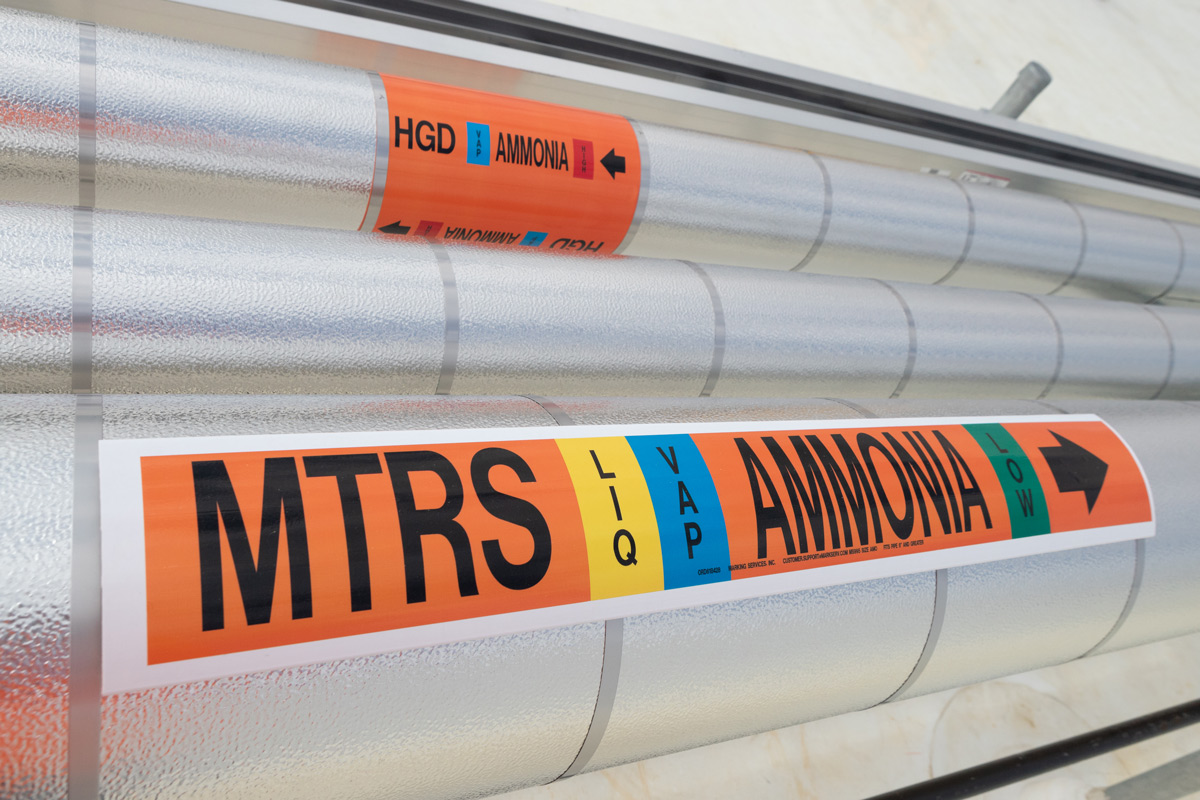
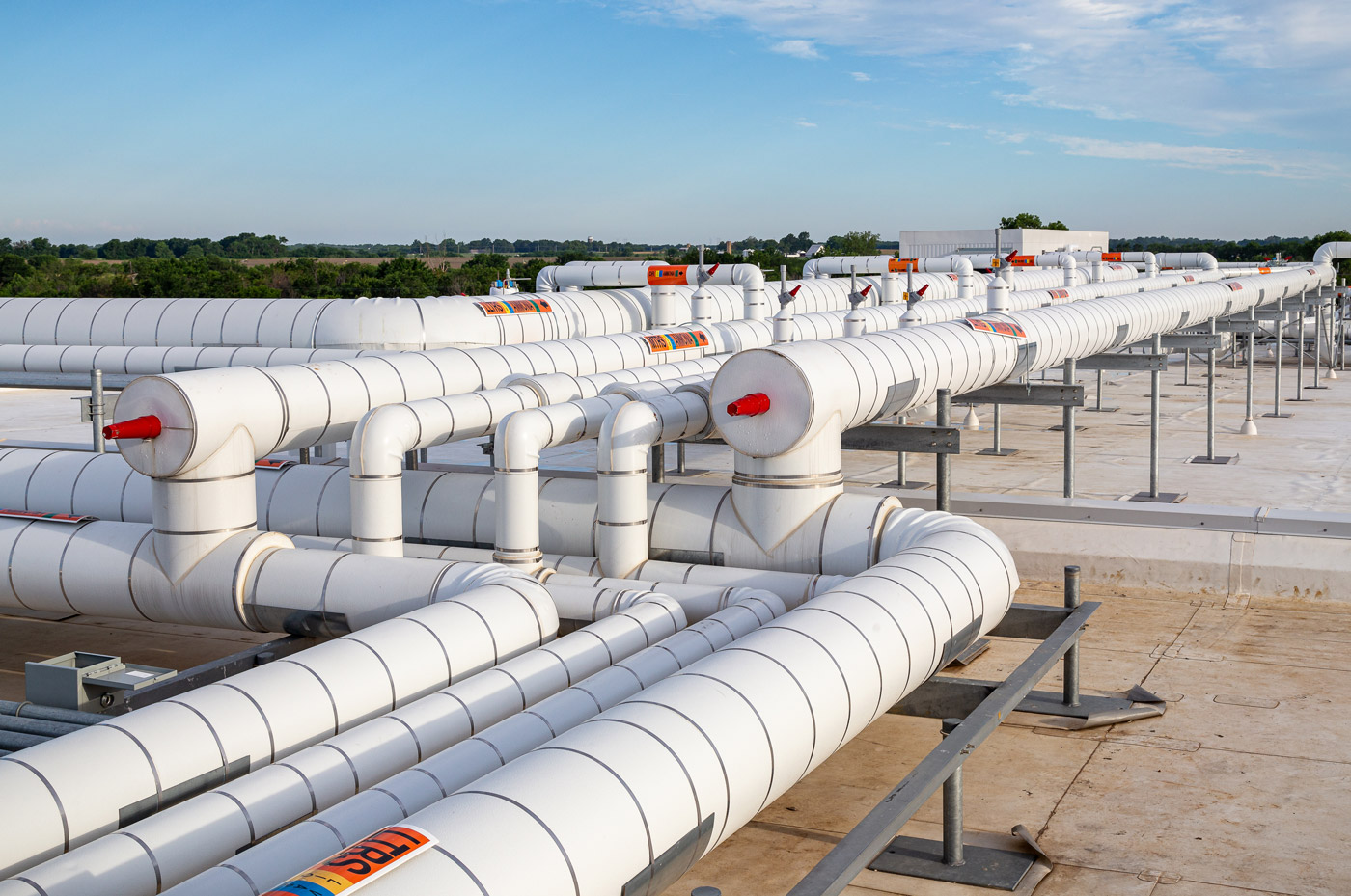
Rather than planning around another HFC transition, many facility owners are evaluating refrigerants with a longer track record of industrial use and greater long-term regulatory stability. Unlike many synthetic refrigerants, natural refrigerants such as ammonia (R717) and CO₂ (R744) are not subject to the same HFC phasedown initiatives driving today's refrigerant transitions.
Natural refrigerants have been used successfully in industrial refrigeration applications for decades and continue to be recognized for their strong thermodynamic properties, strong sustainability characteristics, energy efficiency, and long-term regulatory stability.
How Innovative Refrigeration Systems Can Help
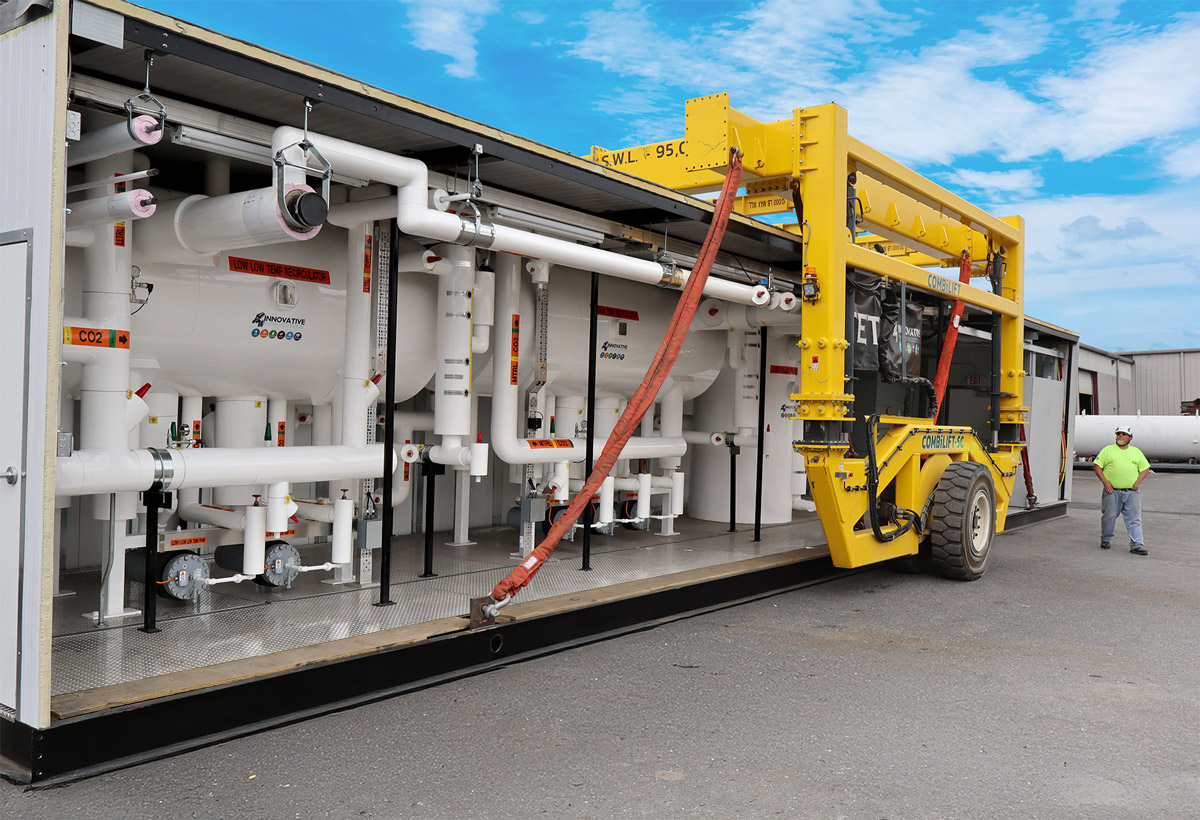
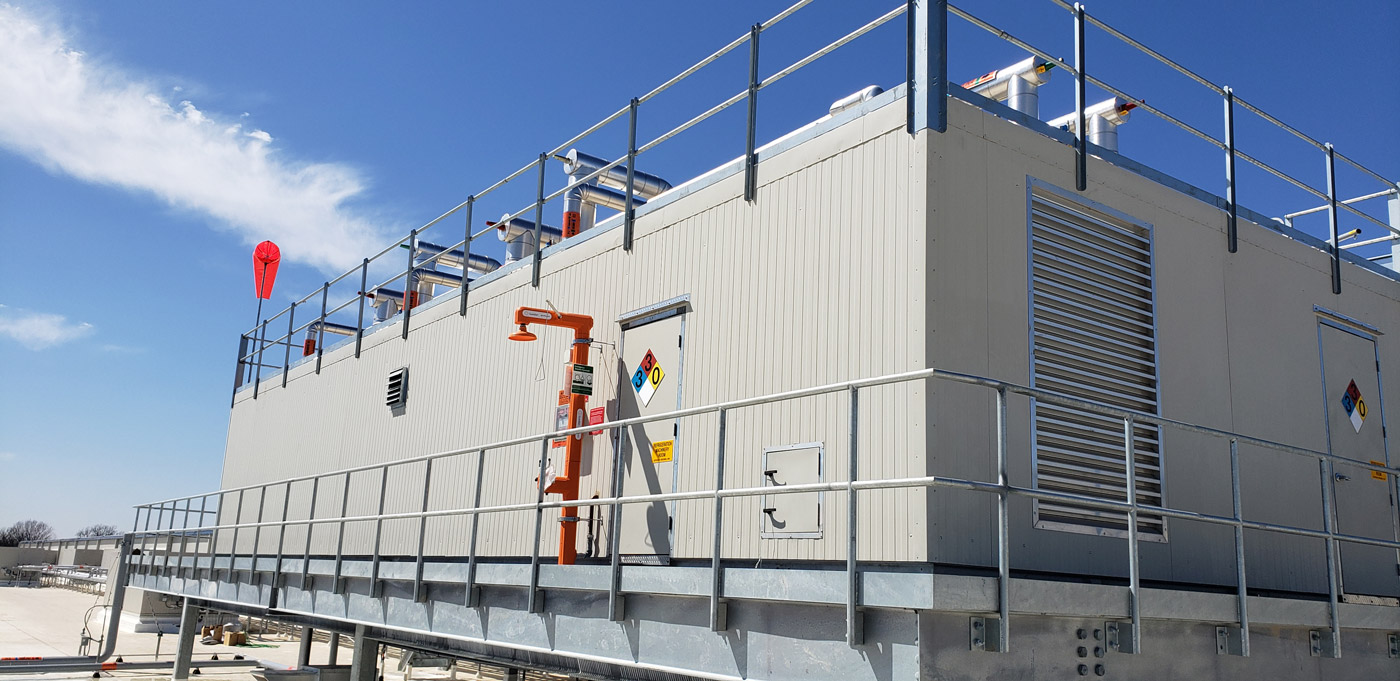
Navigating refrigerant regulations and evaluating future refrigeration strategies can be complex. For facilities currently operating centralized HFC or Freon refrigeration systems, Innovative Refrigeration Systems has extensive experience evaluating existing infrastructure and identifying opportunities to retrofit systems for ammonia and CO₂ service. Innovative will develop reliable and efficient, long-term refrigeration solutions that align with business objectives and regulatory requirements.
As a turnkey provider of industrial ammonia and CO₂ refrigeration systems, Innovative offers in-house engineering and design, manufacturing, construction, retrofit execution, and service and maintenance support. By evaluating the complete lifecycle of a refrigeration system, our team helps customers determine the most effective path toward a natural refrigerant solution.
Building a Future-Ready Refrigeration System
The HFC phasedown represents a major shift in the refrigeration industry. As facility owners evaluate long-term refrigeration strategies, natural refrigerants continue to stand out for their efficiency, sustainability, and regulatory stability.
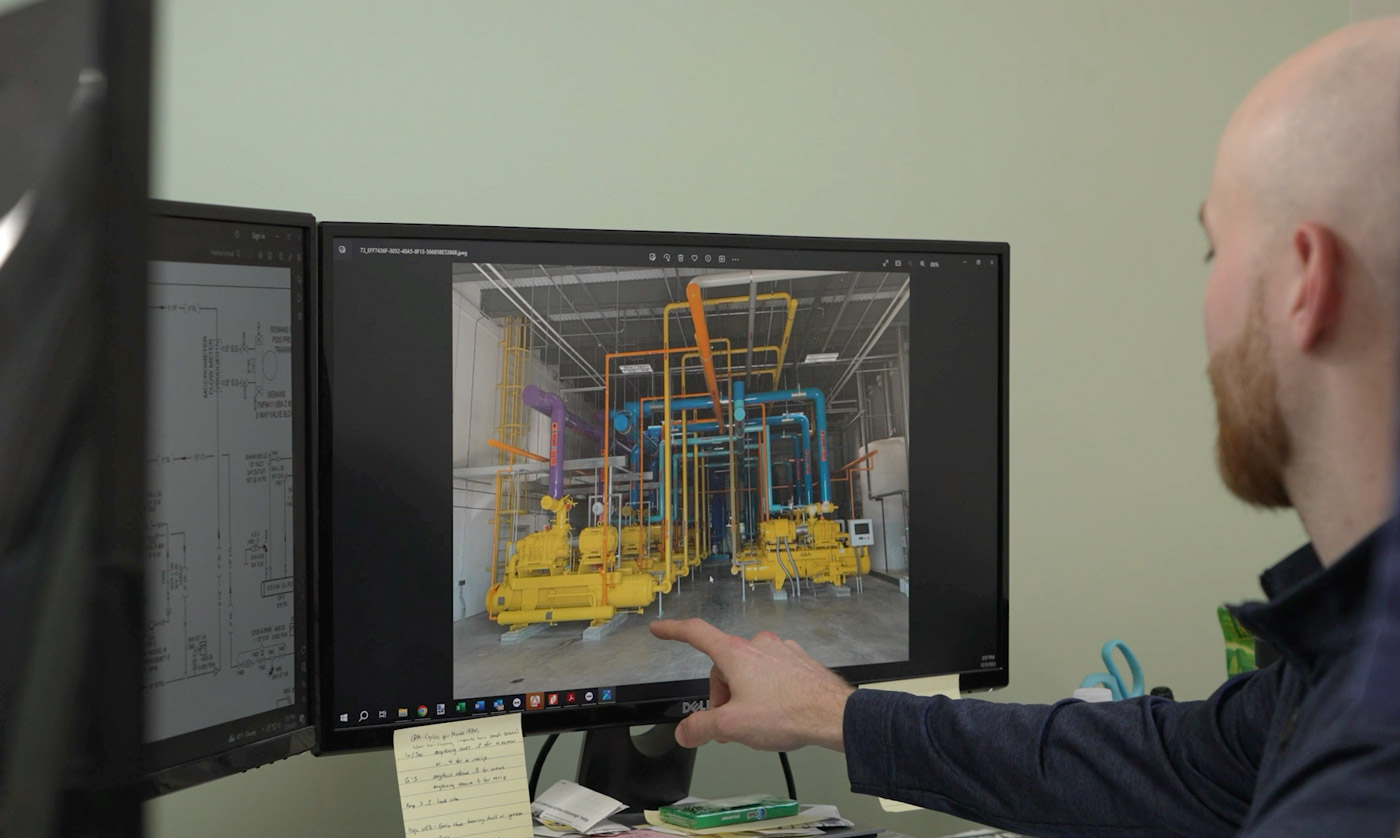
Transitioning away from synthetic refrigerants requires more than selecting a different refrigerant. It requires aligning system design, operational strategy, and long-term facility needs, creating a more connected system that turns modernization into lasting operational value. Whether through a retrofit, modernization project, or complete system replacement, Innovative Refrigeration Systems helps facilities evaluate the best path forward. With the right planning, controls integration, and execution strategy, facilities can not only move toward a more compliant, future-ready refrigeration system, but also preserve valuable infrastructure, expand capacity, and gain a more unified system that supports continued growth.
Ready to discuss your facility's future refrigerant strategy? Contact Innovative Refrigeration Systems to learn how natural refrigerant retrofits and modernization projects can help position your operation for long-term success.