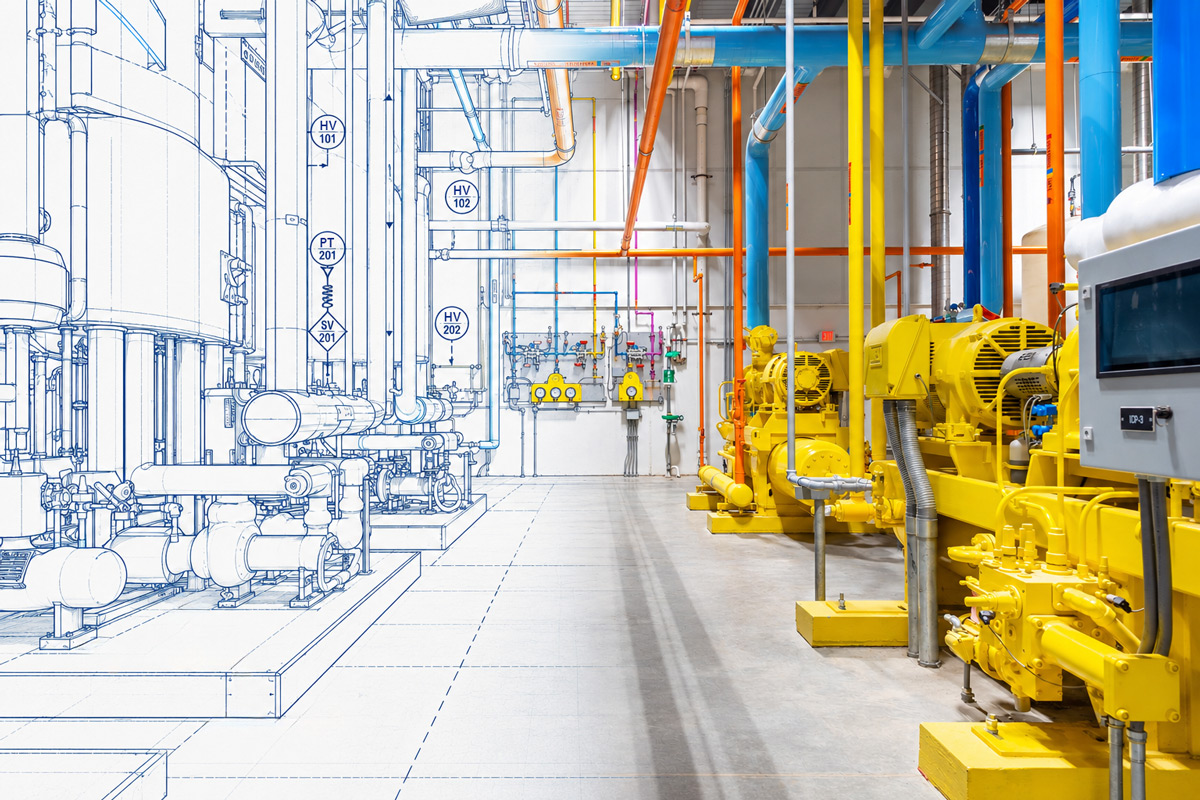
The Importance of Water Treatment in Industrial Refrigeration

In industrial refrigeration, equipment performance is often measured by COP, system reliability, and energy consumption. Yet one of the most overlooked factors affecting all three is water treatment. Facilities that rely on evaporative condensers, proper water chemistry plays a critical role in protecting equipment, reducing operating costs, and extending system life.
Water treatment is more than a maintenance task. It is a proactive strategy that helps prevent corrosion, minimize scale buildup, maintain heat transfer efficiency, and reduce the likelihood of costly downtime. At the center of an effective water treatment program is a process known as passivation.
The Challenge with Conventional Passivation
Achieving proper passivation requires careful control of water chemistry during startup. Traditional water treatment programs often require systems to operate under low or no heat load while pH, conductivity, and other water quality parameters are closely monitored.
This process can take several weeks, and operating conditions must remain tightly controlled to prevent aggressive corrosion, mineral scaling, and under-deposit buildup. For many facilities working within compressed project schedules, these requirements can create significant operational challenges.
A Different Approach to Water Treatment
To simplify the passivation process while maintaining long-term equipment protection, Innovative utilizes a proprietary water treatment technology called SuperShield.
SuperShield is specifically designed to control corrosion, scale formation, deposition, and white rust in evaporative cooling equipment. The chemistry promotes the oxidation reaction necessary for passivation while allowing systems to operate under heat load during startup, an approach that is typically avoided with conventional treatment programs.
SuperShield supports passivation while providing ongoing protection against corrosion and scale, this enables facilities can achieve a more flexible startup timeline without sacrificing long-term equipment performance. The program also eliminates the need for acid-based pH control, helping reduce the risk of damage to galvanized surfaces and the underlying base metal.
The Risk of Improper Water Treatment
Regardless of the treatment program selected, the consequences of improper startup, monitoring and neglected water chemistry can be significant.
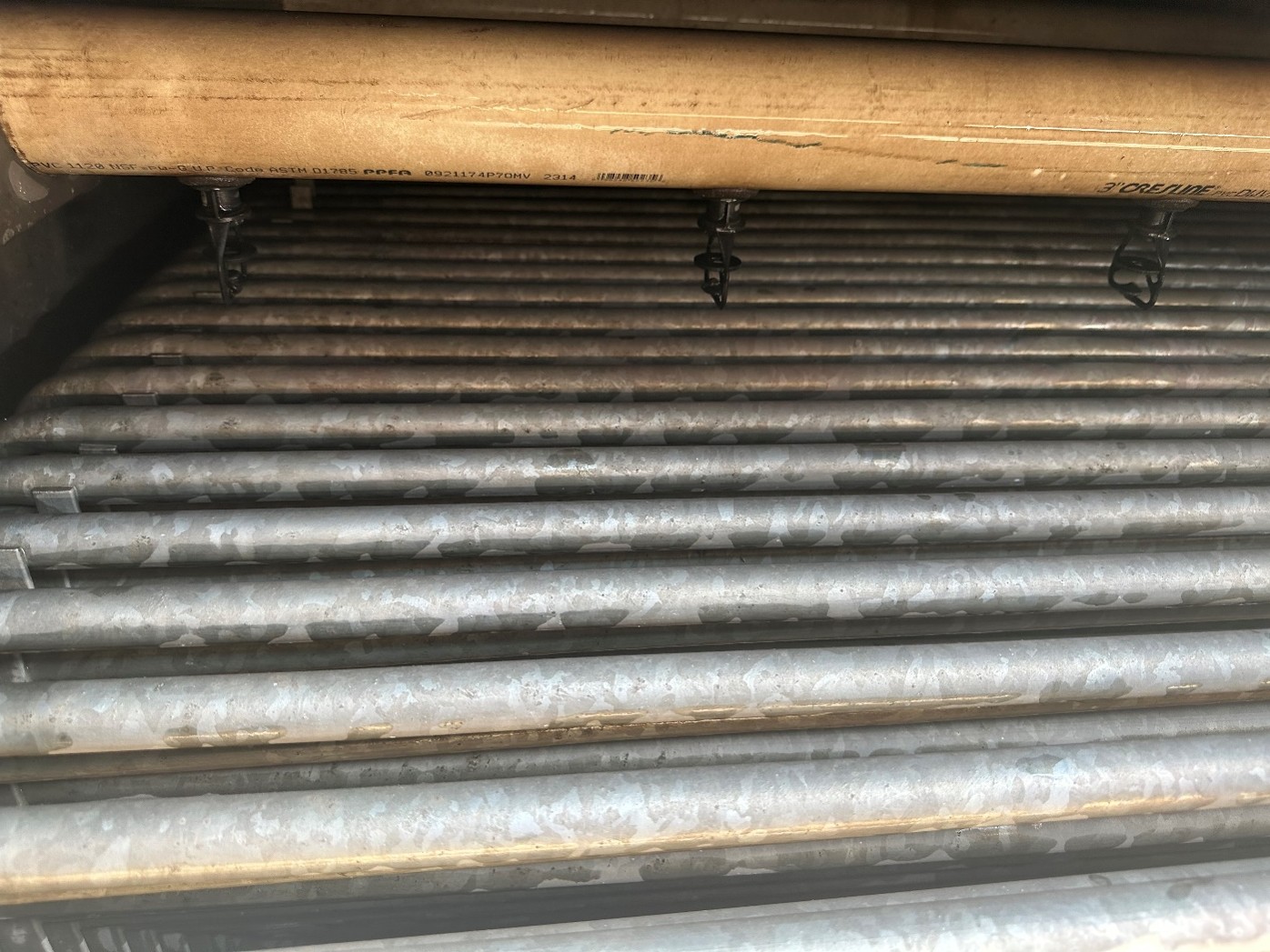
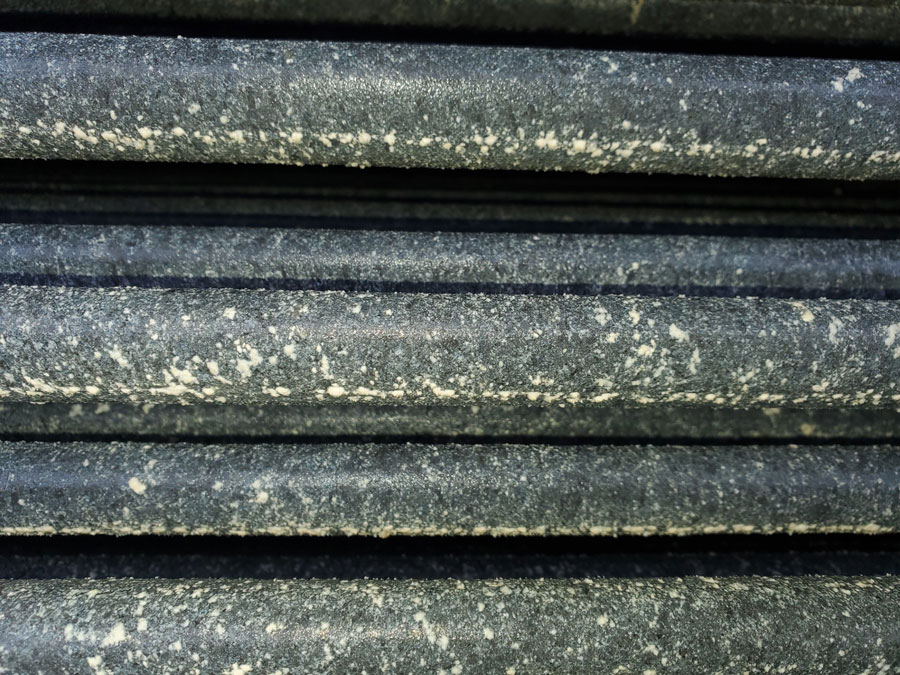
White rust is the most immediately visible form of scaling that new facilities and operators will see. Left untreated for long periods of time it’s a form of corrosion that can damage condenser tubes. Some water treatment contracts will advocate for the use of acid to control the formation of white rust. This solution works in principle because white rust is a chemical reaction that only takes place when the PH exceed 8.3. There are a few major potential consequences with this strategy. First is safety. Handling sulfuric or citric acid in high concentration is a major safety concern. Second, when not properly monitored, circulated and dosed into the system, it will rapidly strip the galvanizing off the metal and cause “burn” marks on the tubing. This will results in red rust and significantly reduce the lifespan of the condenser.
Other strategies will include running a lower cycles of concentration. The downside here is that you will dramatically increase your water usage.
Another option is to buy a stainless steel condenser. There are some clear benefits with a stainless condenser, but they still require proper water treatment to prevent scale build up. Depending on the grade of stainless steel, these condensers can also be susceptible to water with high chlorides.
If left uncorrected, corrosion can eventually penetrate the entire galvanized layer and reach the carbon steel beneath. At that point, structural damage, reduced heat transfer performance, increased maintenance costs, and premature equipment failure become much more likely.
Improper water treatment and improper monitoring of the condenser coils will also lead to scale build up and possibly reduced heat transfer capacity. A proper condenser water treatment inspection includes taking water samples monthly, pulling the drift eliminators to conduct an inspection of the tubes, inspecting water spray patterns and checking the condenser sump.
Long-Term Costs of Short-Term Decisions
Corrosion-related damage frequently develops gradually and may not be immediately visible. Over time, however, it can lead to reduced system efficiency, unexpected repairs, shortened equipment lifespan, and unplanned outages that disrupt facility operations.
By contrast, a proactive water treatment strategy helps facilities protect critical assets, reduce maintenance requirements, improve reliability, and maintain optimal condenser performance throughout the life of the system.
The cost of real time monitoring is well worth the investment compared to the cost of replacing a condenser or the increased energy consumption of scaled condenser tubes. It’s well documented that even 1/64 inch of scale can increase annual energy usage by 10%. A proper water treatment program is an investment that pays for itself!
Best Practices for Water Treatment in Refrigeration Systems
Maximizing the performance and longevity of an evaporative condenser requires a comprehensive water treatment strategy.
Best practices include routine inspections, regular water analysis, continuous monitoring through smart sensors or Building Management Systems (BMS), and ongoing adjustment of treatment programs based on system load, water source conditions, and seasonal operating changes.
Partnering with a qualified water treatment specialist can help ensure that water chemistry remains properly balanced and that potential issues are identified before they impact system performance. Innovative's turnkey water treatment program brings these elements together through chemical management, routine inspections, water sample testing, analysis, and ongoing support. This integrated approach helps facilities maintain efficient operation while protecting condenser assets for the long term.
Protecting Performance for the Long Term Efficiency
Proper water treatment is not simply about protecting condenser coils. It is about protecting system efficiency, equipment longevity, operational reliability, and the overall financial performance of a facility.
Facilities that establish proper passivation, maintain consistent water chemistry, and implement a proactive treatment program are better positioned to maximize equipment life and avoid costly failures.
Water treatment should be viewed as an investment in long-term system performance rather than an operating expense. When managed correctly, it delivers measurable benefits through improved reliability, lower maintenance costs, greater energy efficiency, and confidence that refrigeration systems will continue performing as intended for years to come.